
Coding Class Singapore: How to Choose the Right One
Coding is not just for future software engineers. It is a way of thinking that is structured, logical, creative, and precise. When you look for a coding class in Singapore, you are really choosing how your child will practice this way of thinking week after week.
Children who start coding early build problem-solving habits that support math, science, and even writing. Yet not every class teaches the same depth of thinking, and not every style suits every child. Some kids love building games on a screen, while others only light up when they can hold a robot and see it move.
This guide breaks down the main types of kids coding in Singapore, which ages they fit, how personality links to different formats, and what outcomes parents should expect from a strong programme. You will also see how MetaRobotics and its NEBULA™ model blend coding with robotics to make learning more concrete. Read on to find the class that fits your child, not just the trend.
Key Takeaways
- Singapore offers visual coding, Python, robotics, and game-based programmes for children. Each format fits different ages and interests. Knowing these options helps you avoid trial-and-error enrolments.
- Matching a coding class to your child’s age, personality, and learning style matters as much as brand or location. A good fit keeps motivation high and frustration low.
- A worthwhile coding class produces clear results you can see at home: better problem-solving, more confidence with challenges, and real projects your child can explain.
- Robotics-based classes give children something physical to build and test. This bridge between code and real movement often keeps focus longer than screen-only lessons.
- MetaRobotics (sometimes written as Meta Robotics) is built on the idea that learning is strongest when thinking and doing work together. Its NEBULA™ model guides children through structured robotics and engineering challenges that build logic, spatial reasoning, and long-term understanding.
What Types of Coding Classes Are Available in Singapore?
Coding classes in Singapore generally fall into a few clear types. Each type suits different ages, interests, and goals, from early play-based logic to advanced Python and robotics. Understanding these categories makes it much easier to pick a starting point that feels natural for your child.
Many enrichment centers now offer block-based coding, text-based programming, robotics, and game development side by side. Some bundle them into long roadmaps, while others sell short holiday camps. According to reports on coding schools covered by Channel NewsAsia, these programmes have reached tens of thousands of children since 2015, which shows how mainstream kids coding in Singapore has become.
So how do these formats really differ, and where might your child fit first? That is where a simple breakdown helps.
The Four Main Types of Coding Education for Kids

Parents usually encounter four main formats when searching for a kids coding or Scratch coding program in Singapore. Each format trains a slightly different style of thinking.
- Scratch And Block-Based Coding
Block-based coding uses drag-and-drop blocks instead of typed commands. Platforms like Scratch, created at the MIT Media Lab, let children aged about 5 to 10 build stories, games, and animations. This path is ideal for visual and creative learners who enjoy characters, sound, and simple art. - Python And Text-Based Programming
Python is a popular next step for ages 10 and above who already handle typing and reading well. Students learn real syntax, functions, and data structures, and they start building simple apps or games. This style suits analytical kids who enjoy puzzles, patterns, and clear rules. - Robotics-Based Coding
A robotics class in Singapore combines building with coding, so children see their code move in real space. Kids assemble robots, then program them to follow lines, react to sensors, or complete missions. This approach works very well for hands-on, kinesthetic learners who like LEGO, models, or tinkering. - Game Development Using Minecraft Or Roblox
Game development classes use familiar worlds like Minecraft Education or Roblox Studio to teach logic and design. Children script behaviors, automate builds, or design their own mini games, often using Lua or block-based logic. This format is a strong entry point for reluctant coders who already love gaming but have never tried programming.
How Do You Match a Coding Class to Your Child's Age and Personality?
Matching a coding class to your child works best when you look at age and personality together. Age links to reading level, attention span, and motor skills, while personality shapes what actually feels fun. A coding class in Singapore that thrills one 9-year-old can frustrate another.
Younger children often need more movement, stories, and physical play. They may struggle with dense text or long lectures. Older children and teens can handle more theory, but they still need projects that feel meaningful, not just worksheets in disguise.
Personality matters just as much. A child who spends hours building with LEGO will likely enjoy robots and engineering challenges. A child who loves drawing characters or writing stories may prefer Scratch animations or game design first. Keeping this match in mind turns coding for primary school students into a positive habit, not a weekly battle.
Matching by Age Group: A Quick Reference for Parents
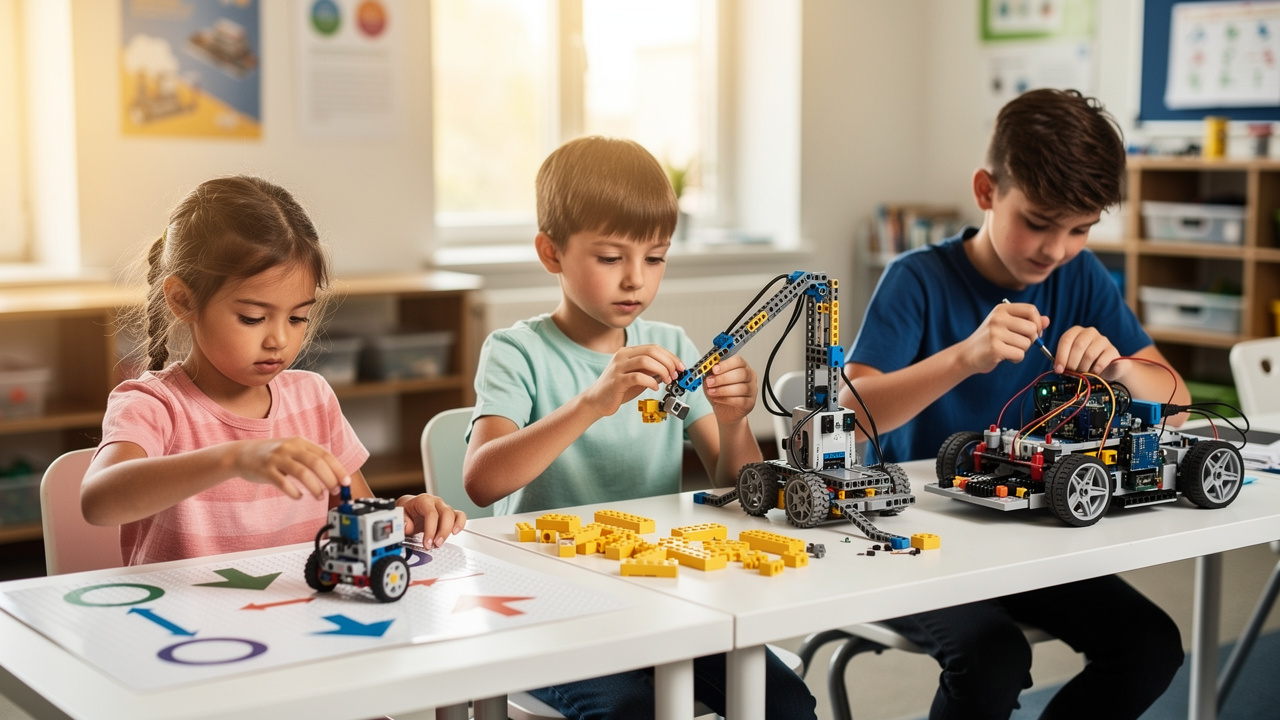
Parents often ask what age is right for each format. This quick guide gives you a starting point, while still leaving room for your child’s pace and interests.
- Ages 5–7
At this stage, short, screen-free or low-screen activities work best. Coding cards and programmable toys like Botley teach sequences and cause-and-effect in a playful way. Children focus on simple commands and physical feedback, not long blocks of text.
- Ages 8–12
Many primary students here thrive in Scratch and simple robotics. They can start a Scratch coding program while also building robots using Sphero Bolt or LEGO Education kits. This mix grows creativity and logic together, which research from the National University of Singapore links to higher innovation skills by about 30 percent.
- Ages 13–16
Teens are ready for advanced robotics, automation, and Python or web development, and data on STEM progression at age 16 shows that early coding engagement significantly improves students' likelihood of pursuing technical pathways at secondary level. Strong programmes connect directly to school computing subjects and support DSA portfolios or competition prep such as the National Olympiad in Informatics. This gives older students both enrichment and academic support.
- By Personality
- Curious builders usually enjoy robotics and engineering challenges where they can design and fix physical systems.
- Storytellers and designers often thrive in game development or Scratch animation, where characters and visuals matter.
- Analytical thinkers who like clear rules often feel at home in Python, app development, or data projects.
What Should You Expect From a Genuinely Effective Coding Class?
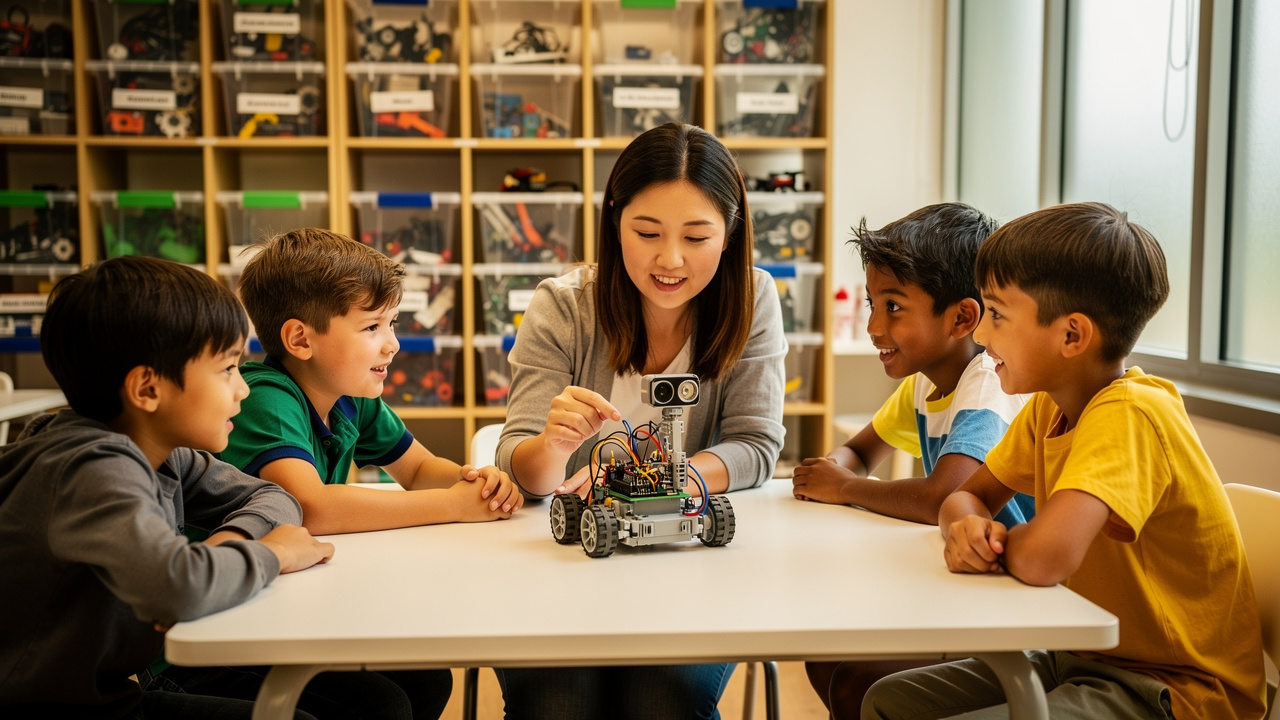
A genuinely effective coding class in Singapore does more than teach commands on a screen. It helps children think in steps, stay calm when they hit an error, and explain their projects clearly. You should see these habits show up at home and in schoolwork, not only during class.
The strongest programmes use project-based learning, where students design, build, test, and improve their own work. Instead of copying a tutorial line by line, they face open-ended tasks and must make decisions. According to the National University of Singapore, early STEM exposure tied to authentic challenges can raise innovation skills by around 30 percent, which supports this approach.
Teaching quality matters just as much as the platform. The OECD reports that qualified teachers can increase student engagement by about 30 percent in STEM subjects, a finding echoed by teacher quality research showing that instructor stability and expertise directly shape student outcomes. That is why providers like MetaRobotics invest in certified, experienced instructors and keep classes small, with a maximum of eight students per expert coach. Parents should feel confident asking about the teaching team, not just the syllabus.
Here are markers that a coding or robotics class in Singapore is worth your child’s time and your budget.
- Outcomes Beyond The Screen
Your child should become better at planning, spotting patterns, and debugging problems. You may notice more patience when homework gets tricky, and a stronger habit of trying different approaches instead of giving up. These are the real long-term benefits. - Small Group Instruction
A low teacher-to-student ratio means your child gets real help, not just a seat in a lab. In a group of eight with an expert instructor, shy students still receive attention, and advanced students get extra challenges. This balance is very hard to reach in crowded rooms. - MOE Recognition And Qualified Instructors
Look for centres that have recognition from Singapore’s Ministry of Education or that work with MOE-registered trainers. MetaRobotics, for example, is recognized for youth robotics coaching and partners with local tech firms, which keeps lessons close to real industry practice. - Red Flags To Watch
Be careful with classes that are 100 percent screen-based, with no collaboration or hands-on components. Also question any programme that cannot explain its roadmap for the next 3 to 6 months or show sample student projects. Vague promises and no clear portfolio usually mean shallow learning. - Evidence And Parent Feedback
Established coding schools highlighted by The Straits Times report strong exam turnarounds, DSA success, and competition wins. Reading reviews and asking to see real student work is a simple way to check if a centre truly delivers similar results.
Why Meta Robotics Combines Coding With Robotics for Deeper Learning

MetaRobotics believes children think best when their hands and minds work together. That is why its coding classes in Singapore always pair code with real robots, devices, and engineering challenges. Instead of only watching characters move on a screen, students see their programmes drive motors, read sensors, and solve physical tasks.
This approach is built into the NEBULA™ Neuro-Builder model, MetaRobotics’ structured framework for robotics learning. NEBULA™ guides students through levels of complexity that build logic, spatial reasoning, and design skills step by step. The focus is not on memorizing commands, but on understanding how systems behave over time.
MetaRobotics offers this style across age groups, from early primary to teens. That makes it easier for families to stay with one provider while their child advances from play-based robotics to advanced automation.
- The NEBULA™ Model Explained
NEBULA™ organizes learning into progressive robotics and engineering stages. Each stage introduces new sensors, mechanisms, and coding concepts while revisiting older ideas through tougher challenges. Students see that the same logical patterns apply whether they are moving a tiny robot or planning a complex build. - Hands-On Learning Across All Ages
For ages 5 to 7, MetaRobotics uses coding cards and friendly tools like Botley to keep activities playful and concrete. Children move, touch, and test rather than stare at long lines of code. For ages 8 to 12, Sphero Bolt and LEGO Education kits add richer builds and more complex logic. Teens then move into advanced robotics and engineering design that match secondary school computing topics. - Real-World Project Challenges
MetaRobotics classes go beyond simple obstacle courses. Students programme robots to navigate simulated warehouses, sort delivery packages, or follow lines that mimic factory flows. These projects mirror real engineering and logistics tasks, so children see how coding links to jobs they hear about in the news. - Intimate Class Sizes And Expert Instructors
Every MetaRobotics class is capped at eight students per instructor, which keeps feedback frequent and personal. Instructors are certified specialists with both programming and teaching experience, not casual part-time helpers. This mix supports both high-flyers and children who need more time to build confidence. - Proven Results And Recognition
MetaRobotics students regularly enter national robotics competitions and STEM events. Academies in this space, including those featured by Channel NewsAsia, have collected more than 80 national and international awards, as well as over 50 successful DSA placements. MetaRobotics builds similar competition-style thinking into regular lessons, so students grow used to solving open-ended problems. - Inclusivity As a Core Value
MetaRobotics also focuses on access. The team shares free activity ideas and resources that families can try at home with simple materials. This helps more children in Singapore, from different backgrounds, experience coding and robotics without waiting for school programmes.
Start Your Child's Coding Path With MetaRobotics

The right coding class in Singapore should match your child’s age, personality, and preferred way of learning. For many children, the most exciting path starts when they can build something real, programme it, and watch it respond. That is the everyday experience inside a MetaRobotics classroom.
MetaRobotics offers age-specific tracks, from screen-free beginner sessions to advanced robotics and Python for teens. Every programme sits on the NEBULA™ model, so your child is not just passing time but moving through a clear learning path. Parents can explore weekly classes and holiday camps to fit busy schedules.
If you want to see how your child reacts to hands-on robotics, book a trial class with MetaRobotics. One session is often enough to reveal whether this blend of thinking and doing sparks real curiosity.
Frequently Asked Questions
Parents often share similar questions when they first explore kids coding in Singapore. These short answers give a starting point before you speak directly with a centre.
Question: What age should my child start coding classes in Singapore?
Children can start around age 5 with screen-free, play-based coding toys and cards. Structured Scratch classes usually fit ages 7 to 8 and above. Teens up to 16 still gain a lot from advanced robotics and Python, especially when classes connect to school computing or DSA plans.
Question: Is a robotics class in Singapore the same as a coding class?
A robotics class in Singapore nearly always includes coding, but it adds building and engineering design. Children construct robots, attach sensors, and then programme behaviors. This combination makes abstract logic feel real and is especially helpful for hands-on learners who like to tinker.
Question: How do I know if a coding class in Singapore is worth the investment?
A worthwhile programme has a clear roadmap, small classes, and qualified instructors, plus real student projects you can see. MOE recognition, parent testimonials, and competition results are strong signs. Be careful of centres with no visible portfolio or vague promises about outcomes.
Question: What is the Scratch coding program and is it right for my child?
Scratch is a visual, block-based coding platform from MIT that suits roughly ages 6 to 12. Children create stories and games by snapping blocks together, learning loops and conditionals without heavy syntax. It is especially good for creative, visual learners starting their coding path.
Question: Are coding classes for primary school children different from those for secondary students?
Yes, primary classes focus on foundations like Scratch, simple robotics, and playful projects. Secondary classes move into Python, advanced robotics, AI ideas, and academic computing support. The best providers, such as MetaRobotics, connect these stages with one continuous path so skills build year after year.
Conclusion
Choosing a coding class in Singapore does not need to feel like guesswork. When you focus on age, personality, and the kind of projects your child enjoys, the picture becomes much clearer. Screen-only tutorials rarely hold attention for long, while hands-on, project-based classes tend to build both skills and confidence.
MetaRobotics stands out by combining coding with robotics through its NEBULA™ model. Children build real machines, write code, test, fail, and try again, which mirrors how real engineers work. This mix trains both logical thinking and resilience in a way worksheets cannot match.
If you want your child to see technology as something they can shape, not just consume, a robotics-focused coding class is a strong choice. Explore MetaRobotics programmes and consider booking a trial lesson to see how this blend of thinking and doing fits your child.