
How a Coding Class Encourages Independent Problem Solving
In today's fast-paced world, coding classes for kids like those from Meta Robotics in Singapore help children become confident, independent thinkers. By breaking down problems, mastering algorithms, and debugging code, these coding courses build persistence, critical thinking, and creativity. Age-appropriate activities promote self-reliance. Discover the key benefits and practical tips for creating a supportive learning environment where coding for kids becomes a pathway to lifelong independence with a free trial.
Key Takeaways:
- Coding classes connect coding and programming with independent thinking by challenging kids to break down complex problems into manageable parts, fostering problem decomposition and self-reliance.
- Through debugging and algorithmic thinking, learners build persistence, patience, and resilience, turning failures into learning opportunities for independent problem-solving.
- Age-appropriate coding activities encourage creativity, ownership, and critical thinking, creating a supportive environment that nurtures lifelong independent learners.
The Connection Between Coding and Independent Thinking
Ever wondered how learn to code sparks independent thinking in kids? At its core, coding concepts like python and javascript teach fundamental problem-solving techniques that mirror real-life challenges, helping children build coding skills essential for AI and computational thinking.
In coding classes for kids, learners break down complex problems into smaller steps. For example, when writing a simple python program to sort a list of numbers, kids must plan logically before coding. This process strengthens their ability to think independently without constant guidance.
Hands-on examples in javascript further enhance this skill. Students might create a basic interactive webpage where a button changes colors based on user input. They debug errors on their own, fostering resilience and problem-solving skills that apply to AI projects like simple chatbots.
Experts recommend these coding lessons because they mimic real-world scenarios in web development and machine learning. Kids in coding workshops or weekly coding classes in Singapore learn to experiment freely, turning mistakes into learning opportunities. This builds confidence for future challenges in artificial intelligence and beyond.
How Coding Nurtures Self-Reliance and Initiative
Coding lessons at a coding school give the power to kids to take initiative by tackling hands-on coding projects that demand self-reliance, turning young learners into confident problem solvers.
These projects in the coding curriculum push children to explore coding concepts on their own. For instance, building a simple game in Python requires them to write code and test ideas independently. This hands-on learning fosters a sense of ownership in their child’s coding journey.
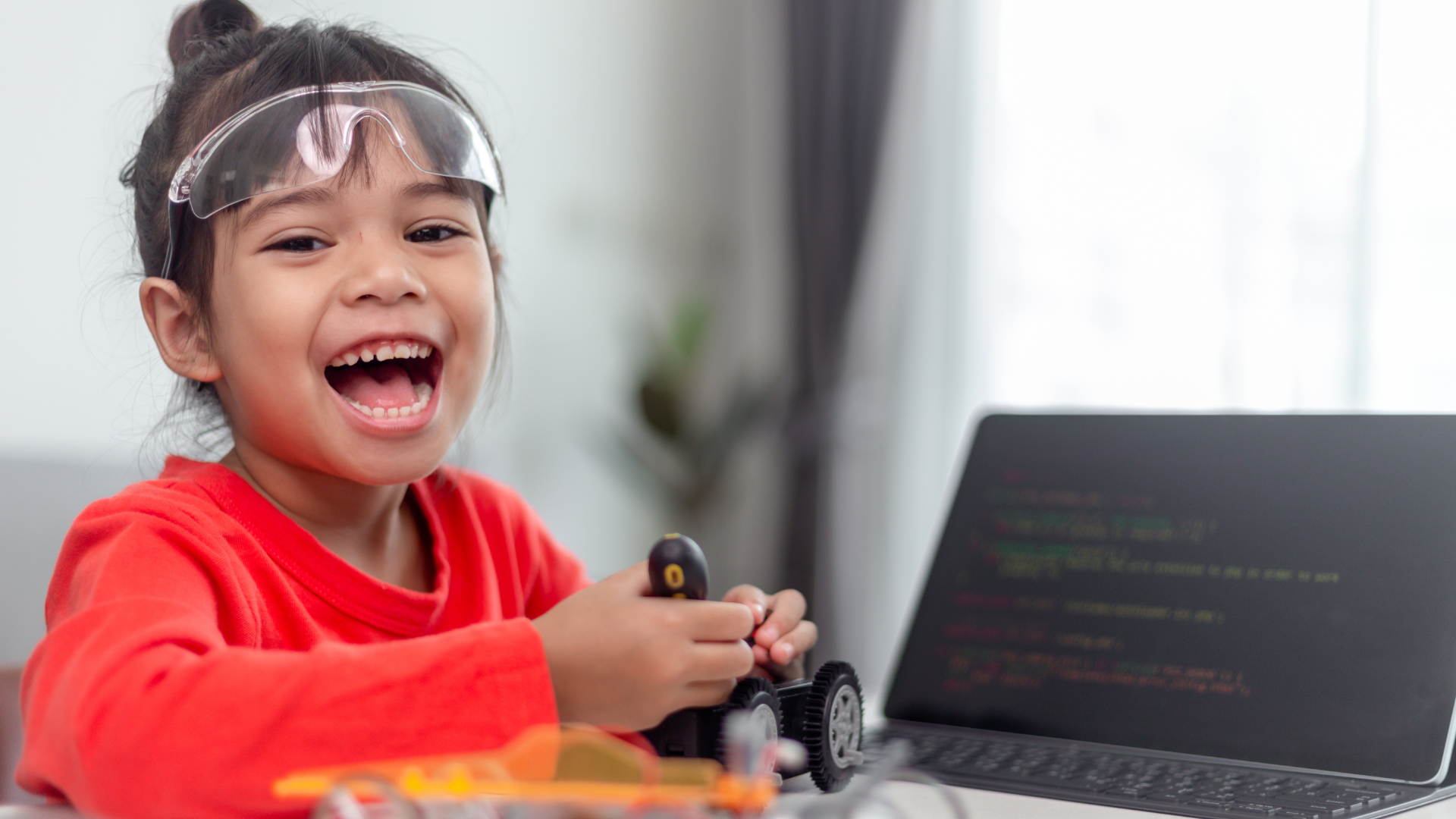
In a coding lab or online coding classes, learners experiment with programming languages like JavaScript for web development. They learn to solve problems without constant guidance, building coding skills that extend beyond the classroom. Parents notice kids applying coding and computational thinking to everyday challenges.
Through coding workshops and coding camps, children gain initiative by iterating on projects related to AI or robotics. This progressive coding approach in coding classes for kids nurtures self-reliance, preparing them for future success in coding education.
Learning Through Problem-Solving
Kids learn through problem-solving in coding challenges that mimic real-world scenarios, building logic coders' persistence via practicing coding in thrilling coding competitions.
During weekly coding classes, learners tackle tasks like designing a mobile app or optimizing a robotics sequence. These activities sharpen problem-solving skills as they break down complex issues into manageable steps. Hands-on practice turns abstract coding concepts into practical know-how.
In coding competitions, children compete to solve problems under time limits, much like real software engineers. This setup encourages learners to think critically and adapt strategies. Parents see their kids grow more resourceful through such engaging formats.
Whether in a coding school in singapore or online coding courses, these challenges integrate fundamental coding with fun. Kids practice coding in Python or JavaScript, honing skills in programming for cybersecurity or machine learning projects down the line.
Building Persistence and Patience
Building persistence and patience happens naturally in the coding lab during weekly coding classes, where kids embrace debugging to strengthen resilience.
Debugging a buggy program teaches children to stay calm when code fails. They methodically check lines, test changes, and retry, much like fixing a puzzle. This process in coding lessons builds grit without frustration.
In small class sizes at a coding academy, instructors guide gently, letting learners lead. Facing errors in projects like AI chatbots or web development reinforces patience. Kids celebrate small wins, boosting their confidence to persist.
Over time, this resilience from practicing coding spills into primary and secondary school schoolwork and hobbies. Through coding projects in the curriculum, children develop a mindset for tackling tough problems, essential for their coding journey ahead.
Fundamental Coding Concepts That Foster Independence
Fundamental coding concepts like core coding and programming languages such as python programming form the foundation in coding in coding at our coding academy, directly fostering independence in young learners.
Kids start with python coding because its simple syntax lets them focus on logic rather than complex rules. In our coding classes for kids, they build coding skills through hands-on projects that mirror real-world challenges. This setup encourages them to experiment and own their coding journey.
From computational thinking to writing code, these fundamentals teach learners to solve problems step by step. At the coding academy, small class sizes allow instructors to guide without hand-holding. Students quickly gain confidence to learn to code on their own.
Whether exploring web development with JavaScript or robotics, the coding curriculum emphasizes self-reliance. Young coders in our weekly coding classes or coding workshops discover how programming languages unlock creativity. This foundation in coding prepares them for advanced topics like artificial intelligence and machine learning.
Problem Decomposition
Problem decomposition teaches kids to break down complex problems using computational thinking and coding and computational thinking strategies in exciting coding projects.
Imagine a child tasked with creating a game. They split it into smaller parts, like designing characters first, then adding movement. This hands-on learning in coding lessons builds problem-solving skills naturally.
In our coding school in singapore, kids apply this in coding challenges during holiday coding camps. They learn to identify key steps, making big tasks feel manageable. Over time, this fosters independence as they solve problems without constant guidance.
Through online coding courses or in-person coding labs, decomposition sharpens focus on one piece at a time. For example, building a simple app starts with outlining user inputs. This method gives the power to young learners to approach any challenge confidently.
Algorithmic Thinking
Algorithmic thinking gives the power to kids to plan solutions by writing code via an intuitive programming interface, mastering coding concepts to solve problems independently.
Children learn how to code to map out steps like a recipe before coding. In python programming, they sequence actions, such as looping through a list to find matches. This practice in our coding program turns abstract ideas into working code.
Using a friendly programming interface, kids test their plans in real time during coding classes. For instance, designing an algorithm for a sorting game teaches efficiency. They gain the ability to refine ideas on their own.
At the award-winning coding school, algorithmic thinking links to coding competitions and projects in AI or cybersecurity. Students practice in small groups, building skills in programming. This prepares them for future roles like software engineer.
Debugging and Resilience
Debugging builds resilience and sharpens problem-solving skills through hands-on learning in engaging coding lessons.
When code fails, kids trace errors using tools in python coding or coding languages JavaScript. They experiment with fixes, like checking variable names in a robotics simulation. This trial-and-error process teaches persistence.
In our coding enrichment programs, instructors encourage questions but let learners lead. A common example is fixing a loop that runs endlessly in a game project. Success here boosts confidence and independence.
Regular coding workshops for kids reinforce debugging as a core coding habit. From mobile app development to web development, students learn errors are normal. This mindset equips them for lifelong coding journey in coding and beyond.
How Coding Builds Problem Solving Skills
Coding builds problem-solving skills as kids learn how to code, blending coding and programming—or coding or programming fundamentals—to sharpen their minds for direct school success.
Children break down complex tasks into smaller steps during learn coding lessons. This process teaches them to solve problems logically, much like tackling math or science homework. Hands-on practice with coding projects builds confidence in facing real-world challenges.
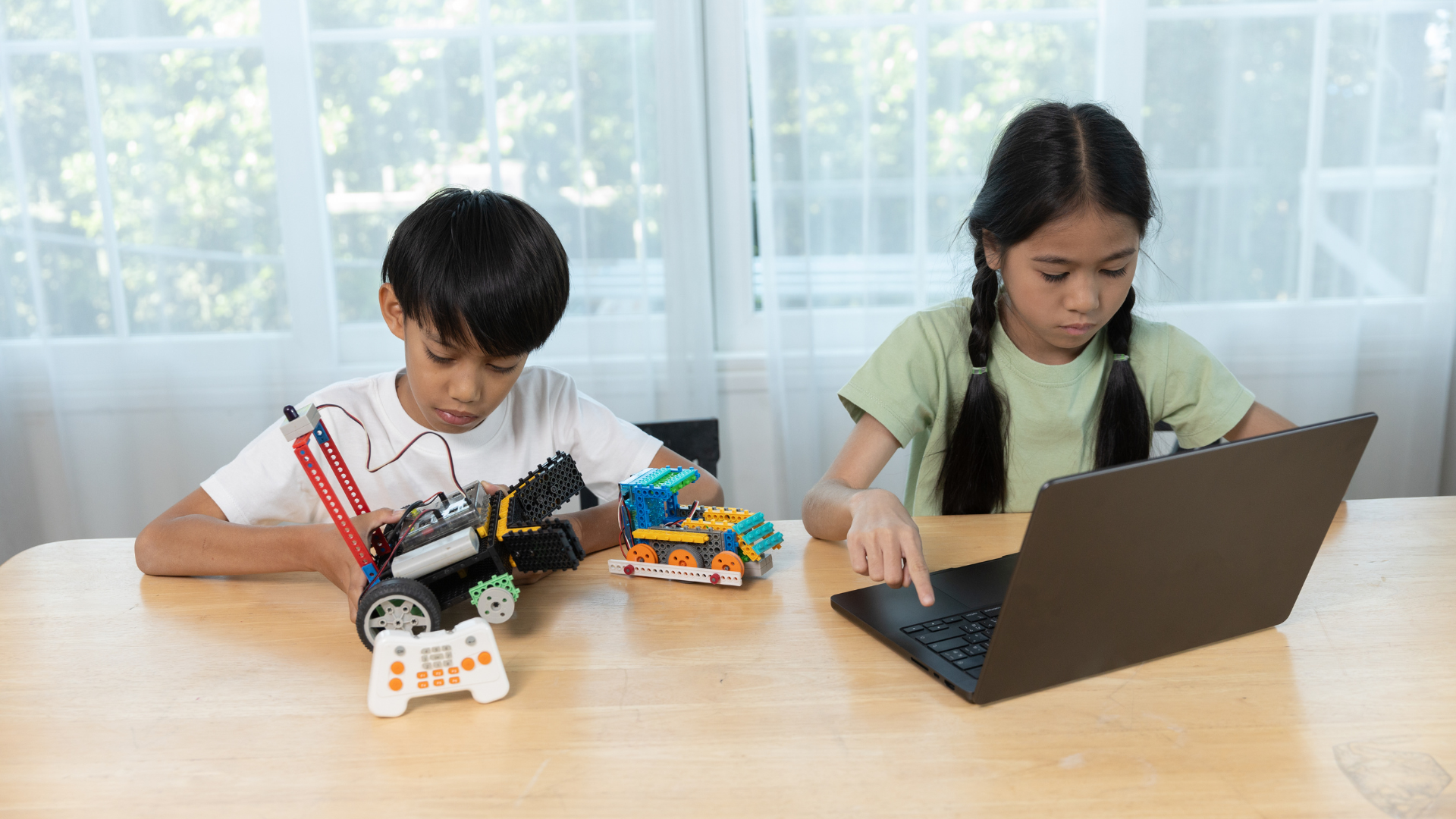
In coding classes for kids in singapore, learners experiment with computer programming languages such as Python or JavaScript. They debug errors and iterate on solutions, fostering resilience. These skills tie directly to primary and secondary school demands, preparing students for exams and group work.
Coding workshops and online coding courses encourage independent thinking. Kids design simple games or apps, applying computational thinking to everyday scenarios. This foundation supports success in subjects like logic-based puzzles or essay outlining.
Developing Critical Thinking
Developing critical thinking through computational thinking shines in coding challenges and coding competitions, ideal for primary and secondary school students.
Students learn to analyze problems by identifying patterns and algorithms in a coding lab. For example, they might write code to sort a list of numbers, testing different approaches. This mirrors problem-solving skills needed in school debates or science experiments.
Coding competitions push kids to think under time constraints, refining their decision-making. They practice hands-on learning with Python coding or robotics tasks, adapting when initial ideas fail. Parents notice gains in subjects like mathematics during weekly coding classes.
- Break problems into steps using coding concepts.
- Test solutions iteratively in coding projects.
- Reflect on failures to improve strategies.
These habits from coding education extend to school life, helping children approach assignments with clarity. Enrolling in a coding academy nurtures this growth through structured coding curriculum.
Benefits of Coding for Independent Problem Solvers
The benefits of coding for independent problem solvers include coding enrichment through progressive coding at an award-winning coding school that offers coding, equipping students as they learn key skills.
Students will learn to solve problems using computational thinking in hands-on coding classes. These classes for kids in singapore build coding skills in languages such as Python and JavaScript. Progressive coding ensures steady growth from basics to advanced topics like AI and robotics.
Coding enrichment offers a foundation in learn the fundamentals of coding through weekly coding classes and coding workshops. Kids gain confidence in writing code for web development or mobile app development. This approach equips students with skills for coding competitions and real-world applications.
In a lab singapore coding school in Singapore, small class sizes support personalized guidance. Students explore coding projects that foster independence. From coding lessons to holiday coding camps, the journey prepares learners for top universities and careers as software engineers.
Encouraging Creativity and Ownership
Encouraging creativity and ownership happens through personalized coding projects on a child's coding journey, where coding to learn fosters true independence.
Kids design their own games or apps using Python coding or JavaScript in coding labs. This hands-on learning lets them experiment with coding concepts like loops and functions. Ownership grows as they debug and refine their work without step-by-step instructions.
In coding classes for kids, instructors guide the child's coding journey with progressive challenges. Students tackle coding challenges related to artificial intelligence or cybersecurity. This builds problem-solving skills through trial and error in a supportive environment.
Coding enrichment programs emphasize creativity via robotics projects or machine learning tasks. Children take pride in their unique solutions, such as building a simple chatbot. These experiences in an award-winning coding school nurture lifelong learners ready to innovate.
Age-Appropriate Coding Activities
Age-appropriate coding activities like courses for kids, workshops for kids, coding workshops, and holiday coding camps make learning fun and effective. These options introduce coding for kids through hands-on projects tailored to a range of courses. Children build problem-solving skills while enjoying the process.
In courses for kids, learners explore coding concepts like loops and variables in a structured way. For example, young students might create simple games using Scratch before moving to Python coding. This progressive approach supports their coding journey.
Workshops for kids offer short, focused sessions on topics like robotics or web development. Kids in Singapore can join local coding workshops that emphasize computational thinking. These build confidence through quick wins and group collaboration.
Holiday coding camps provide immersive experiences during breaks. Participants tackle coding challenges, learn programming languages such as JavaScript, and complete real-world projects. This format keeps coding skills sharp while fostering independence.
Creating a Supportive Environment for Independent Learning
Creating a supportive environment with small class sizes in our lab singapore coding lab, plus trial class and free trial options, nurtures independent learning beautifully. Kids get personal attention from instructors. This setup lets them explore coding concepts at their own pace.
In a coding lab like ours in Singapore, limited class sizes mean every learner receives tailored guidance. Instructors spot when a child struggles with problem-solving skills and offer hints instead of answers. This encourages them to think through challenges independently.
Our free trial and trial class options lower the barrier to entry for coding classes for kids. Parents can see how the environment fosters hands-on learning in Python or robotics. Children quickly build confidence in their coding journey.
Weekly coding classes in this setting emphasize computational thinking through real projects. Small groups allow time for discussions on coding challenges, helping kids develop logic without fear of judgment. It's the perfect foundation for lifelong coding skills.
Coding as a Pathway to Independence
Coding serves as a pathway to independence on the coding journey at top coding and best coding programs—popular coding options with many coding paths—at our coding school in Singapore, aiding direct school admission.
Students begin with simple puzzles in coding classes for kids, gradually tackling complex challenges. This builds problem-solving skills through hands-on learning. Over time, learners gain confidence to solve problems without guidance.
In our coding school in Singapore, weekly coding classes introduce programming languages like Python and JavaScript. Kids explore computational thinking in small class sizes. These experiences foster independence, preparing them for direct school admission.
Coding workshops and coding camps encourage experimentation with robotics and web development. Children learn to debug code independently. This hands-on approach equips them for future success in coding competitions and beyond.
Building Core Coding Skills
Core coding skills form the foundation in our coding program. Learners start with fundamental computer programming concepts, such as loops and variables, to learn the fundamentals. This sets the stage for independent coding projects.
Through Python coding lessons, kids write code to create simple games. They practice problem-solving by fixing errors on their own. Instructors guide subtly, promoting self-reliance.
Our coding curriculum includes JavaScript for web development basics. Students build interactive pages, applying logic to real scenarios. This mirrors skills needed at top universities.
Weekly sessions in classes for kids in singapore reinforce these skills. Children tackle related to coding challenges, iterating until solutions work. Independence grows with each successful project.
Hands-On Projects for Real Growth
Hands-on learning drives progress in our coding academy. Kids engage in projects like building a mobile app or robotics challenge. These tasks demand creative thinking and persistence.
In a coding lab, learners design algorithms for AI simulations. They experiment with machine learning basics using Python. Trial and error teaches resilience.
Coding projects culminate in group coding competitions. Students collaborate yet solve individual parts independently. This prepares them for software engineer roles.
Our progressive coding path offers holiday coding workshops for deeper practice. Children refine skills in cybersecurity or app development. Independence shines in their final presentations.
Preparing for Direct School Admission
Our coding school in Singapore, founded by an mit alumnus who worked in silicon valley, links coding to direct school admission success. Strong coding portfolios showcase problem-solving prowess to admissions panels. This stands out in primary and secondary school applications.
Alumni, including those who worked in Silicon Valley, credit our programs. They highlight how coding lessons built logical thinking. Such endorsements aid entry to top schools.
Enrichment through online coding courses and in-person labs builds a robust profile. Kids demonstrate skills via coding challenge videos. Admissions value this practical evidence.
Founded by an MIT alumnus, we focus on equipping students with online courses in coding education for elite paths. Small class sizes ensure personalized growth. This pathway opens doors to prestigious opportunities.
FAQs About Coding and Problem Solving
FAQs about coding and problem solving often cover online coding courses in cybersecurity, machine learning, artificial intelligence, mobile app development, and web development. These prepare kids for software engineer roles at top universities. Programs led by founders, including an MIT alumnus who worked in Silicon Valley, build strong foundations.
Parents frequently ask how coding classes for kids foster independent thinking. Instructors guide learners through hands-on projects, like building a simple game in Python. This approach encourages kids to experiment and fix errors on their own.
Another common query involves coding curriculum for different ages. Younger students start with block-based coding, while older ones tackle programming languages such as Python and JavaScript. Schools in Singapore, like award-winning coding academies, offer weekly classes and holiday workshops tailored to primary and secondary levels.
Many wonder about real-world applications. Courses cover computational thinking and logic, helping kids in coding competitions or personal projects. An alumnus who worked in Silicon Valley often shares insights on transitioning to top universities through direct school admission paths.
What Age is Best to Start Coding Classes?
Children as young as six can begin coding for kids with fun, visual tools. These build problem-solving skills through games and stories. Experts recommend starting early to spark interest in computer programming.
For primary schoolers, focus on core coding concepts like sequences and loops in our programming course. Programs in Singapore offer small class sizes for personalized attention. This sets a solid foundation for advanced topics later.
Secondary students dive into coding languages such as Python for machine learning projects. Hands-on learning in coding labs encourages tackling complex challenges independently. Parents see growth in logical thinking over time.
How Do Online Coding Courses Build Problem-Solving?
Online coding courses present real coding challenges that mimic software development. Kids learn to break down problems, test solutions, and iterate. This mirrors how professionals solve issues in web development or AI.
Instructors provide hints, not answers, promoting independent problem solving. For example, a mobile app development project requires debugging code step by step. Learners gain confidence through trial and error.
Courses often include coding workshops with peer collaboration. Topics like cybersecurity teach secure coding practices. Singapore-based platforms blend online and in-person options for flexible learning.
Can Coding Lead to Careers at Top Universities?
Yes, strong coding skills open doors to top universities for software engineering. Portfolios from coding projects showcase problem-solving abilities. Admissions value hands-on experience over theory alone.
Programs founded by an MIT alumnus who worked in Silicon Valley prepare students with relevant skills. They cover artificial intelligence and robotics, aligning with industry needs. Graduates stand out in applications.
Enrichment like holiday coding camps builds resumes. In Singapore, coding schools support direct school admission with recommendation letters. Focus on consistent practice in Python or JavaScript pays off long-term.
Frequently Asked Questions
How does a coding class encourage independent problem solving in kids?
A coding class encourages independent problem solving by presenting students with real-world coding challenges, such as building a simple robot program in Meta Robotics classes in Singapore. Kids must experiment, debug errors, and iterate on their code without step-by-step guidance, fostering self-reliance and critical thinking skills essential for How a Coding Class Encourages Independent Problem Solving.
What specific activities in a coding class promote independent problem solving?
In coding classes like those offered by Meta Robotics in Singapore, activities such as open-ended projects where kids design algorithms for robotics tasks encourage independent problem solving. Students break down complex problems, test hypotheses, and refine solutions autonomously, directly embodying How a Coding Class Encourages Independent Problem Solving.
Why is debugging code a key way coding classes build independent problem solving?
Debugging teaches kids to identify and fix errors in their code independently, a core aspect of How a Coding Class Encourages Independent Problem Solving. In Singapore's Meta Robotics courses, children learn to read error messages, trace logic flaws, and apply fixes without teacher intervention, building resilience and analytical skills.
How do coding classes shift from guided to independent learning?
Coding classes start with basic guided exercises and progress to unguided challenges, illustrating How a Coding Class Encourages Independent Problem Solving. Meta Robotics programs in Singapore gradually reduce hints, empowering kids to research solutions online or through peers, mimicking real developer workflows.
What role does failure play in how a coding class encourages independent problem solving?
Failure is embraced in coding classes as a learning tool; when a program crashes, kids must independently diagnose and resolve it. This trial-and-error process in Meta Robotics' Singapore classes exemplifies How a Coding Class Encourages Independent Problem Solving, turning setbacks into opportunities for growth and innovation.
Can coding classes like Meta Robotics improve long-term independent problem solving skills?
Yes, by simulating authentic coding environments, classes from Meta Robotics in Singapore develop transferable skills like logical decomposition and perseverance. This structured yet flexible approach reveals How a Coding Class Encourages Independent Problem Solving, benefiting kids in academics, robotics, and beyond.