Investigate Real Problems
Analyse challenges, identify constraints and consider how technology can be applied to meaningful real-world situations.
Meta Robotics Programmes
Students take their robotics and coding capabilities further by designing advanced systems, applying AI and engineering concepts, and developing solutions for increasingly complex real-world challenges.
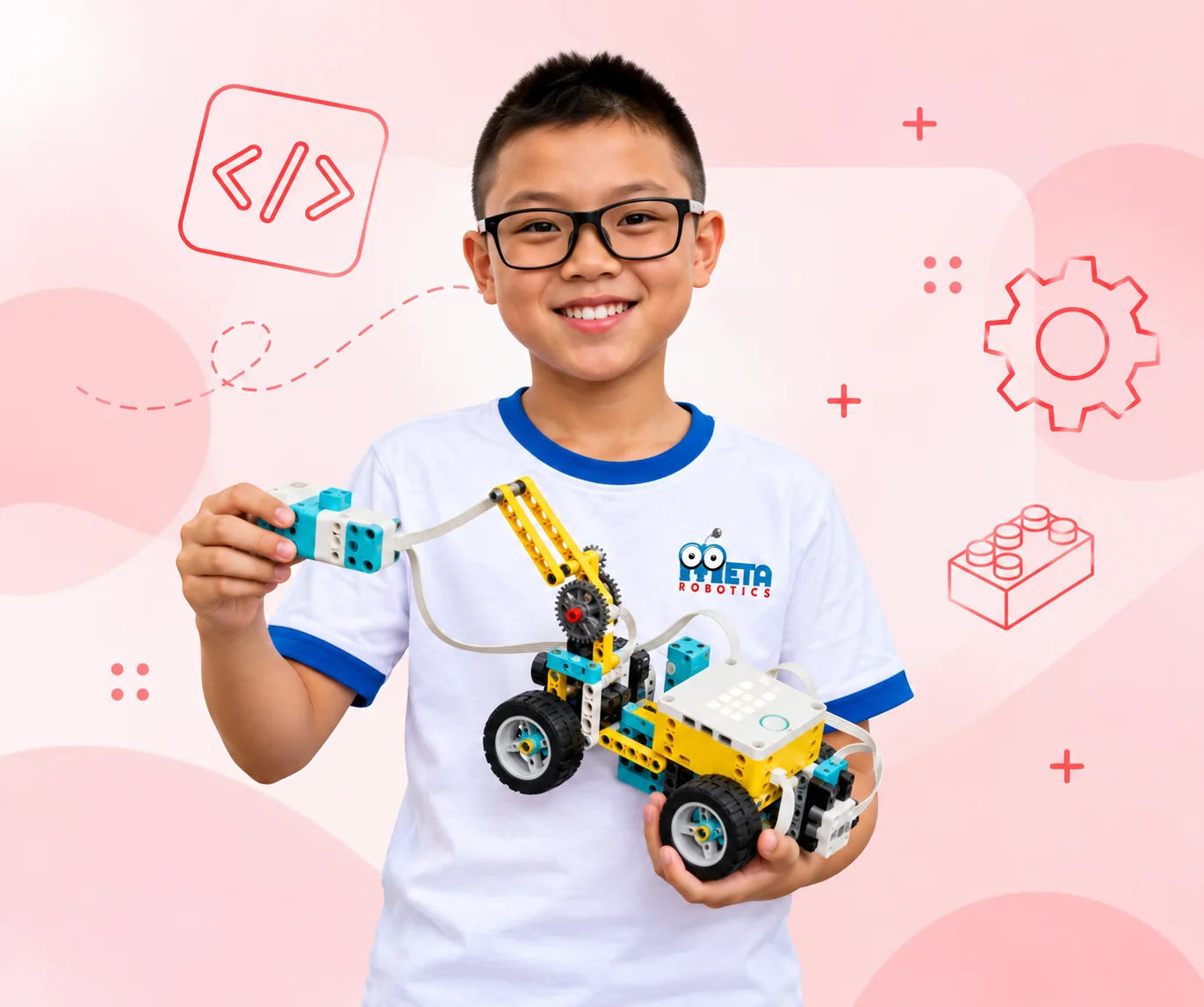
Designed for ages 13+
As students develop stronger foundations in robotics, coding and engineering, they become ready to tackle challenges that require deeper analysis, system-level thinking and greater independence. King brings these capabilities together through advanced projects that challenge students to investigate problems, design solutions and continuously improve their work.
Analyse challenges, identify constraints and consider how technology can be applied to meaningful real-world situations.
Combine robotics, programming, sensors and intelligent systems to develop increasingly sophisticated solutions.
Evaluate performance, refine designs and communicate ideas while developing greater independence, collaboration and technical confidence.
What Your Child Will Explore
Three advanced learning experiences that bring together robotics engineering, artificial intelligence and programming to tackle increasingly complex challenges in the physical world.
01
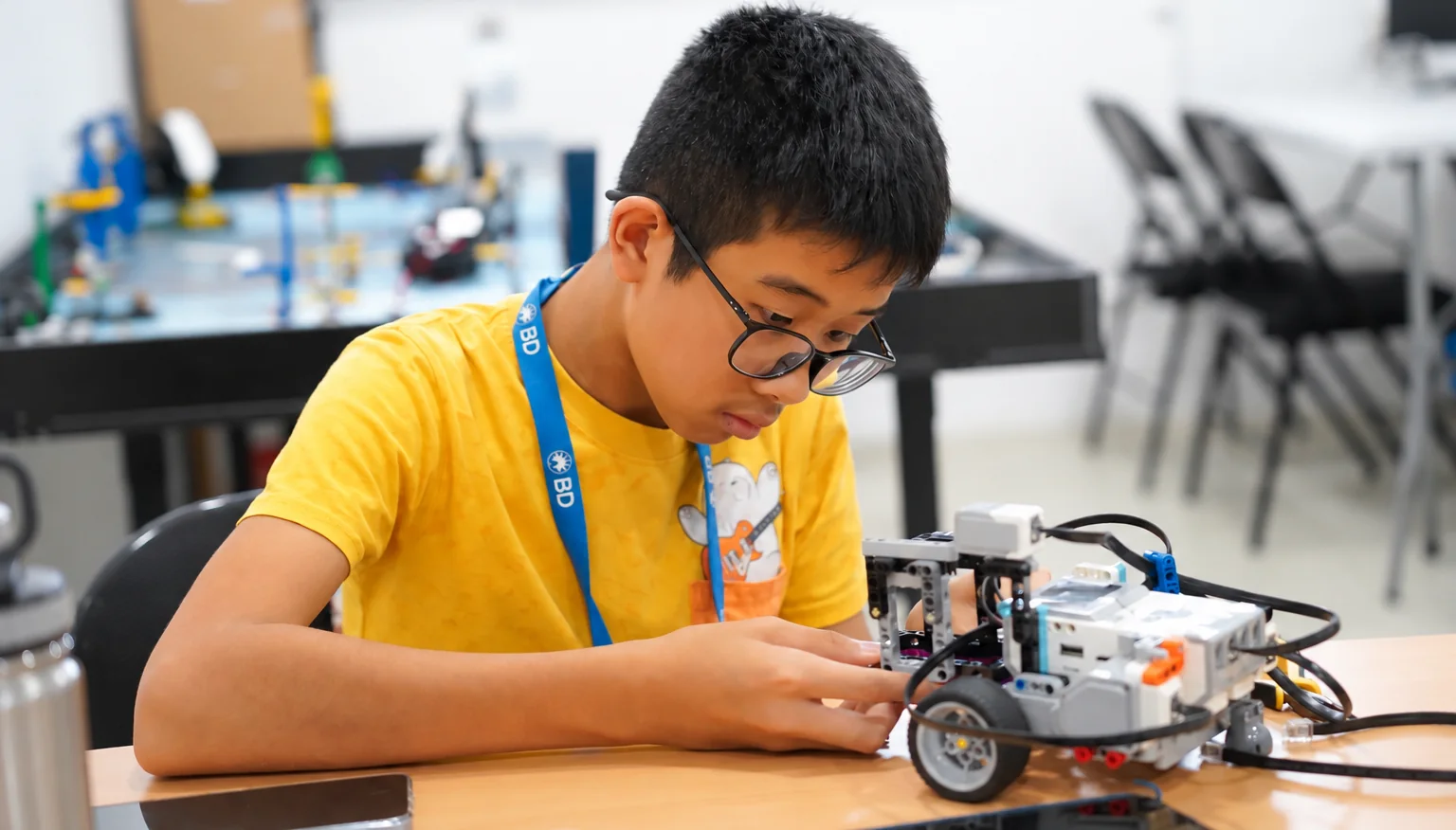
Build and program sophisticated robotic systems using multiple motors, sensors and increasingly autonomous behaviours.
Develop a robotic system that uses sensors, programmed logic and coordinated movement to respond to its environment.
02
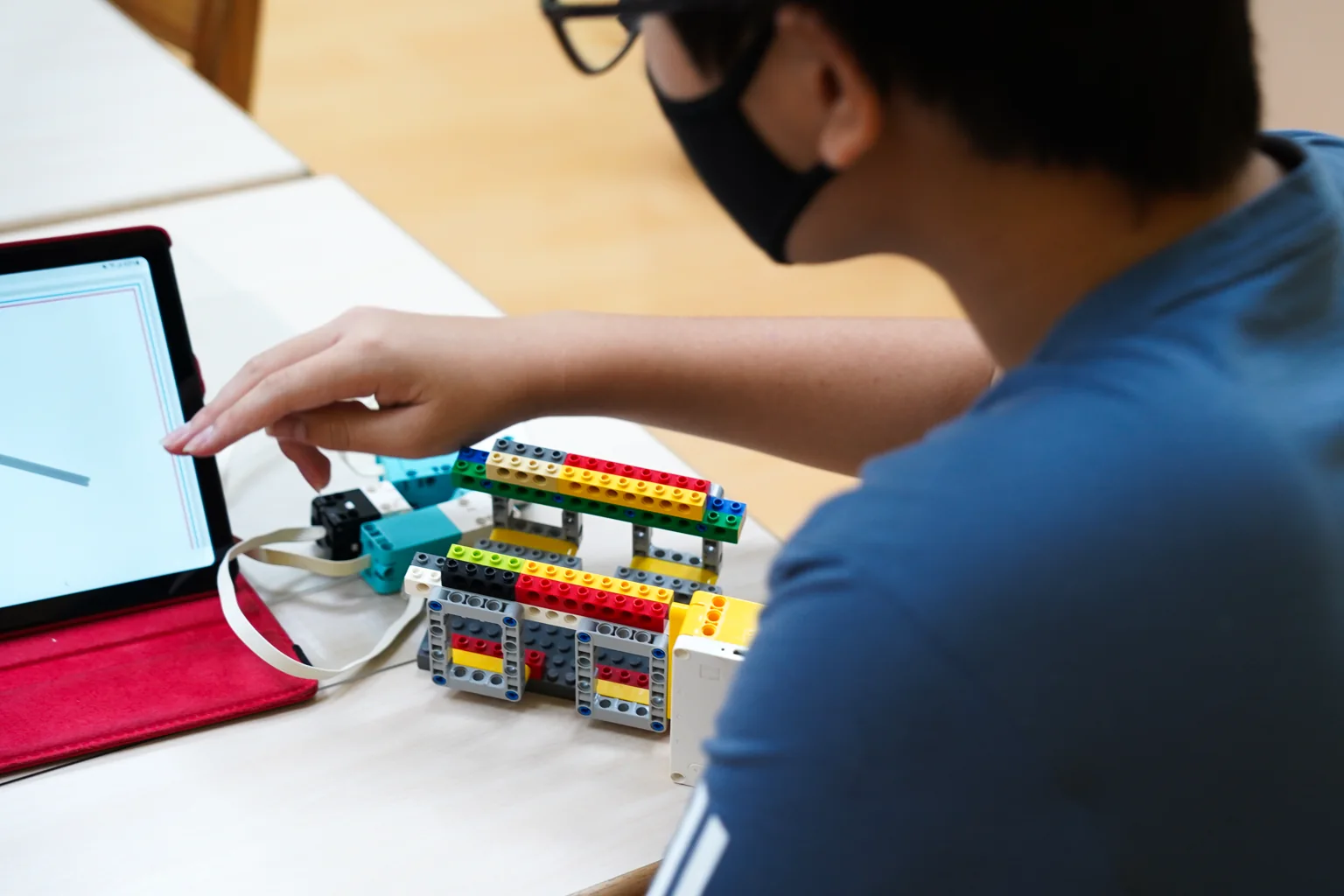
Explore how physical robots can use data and intelligent behaviours to recognise patterns, make decisions and respond to changing conditions.
Develop and test an intelligent robotic behaviour that uses input or data to make decisions and perform appropriate actions.
03
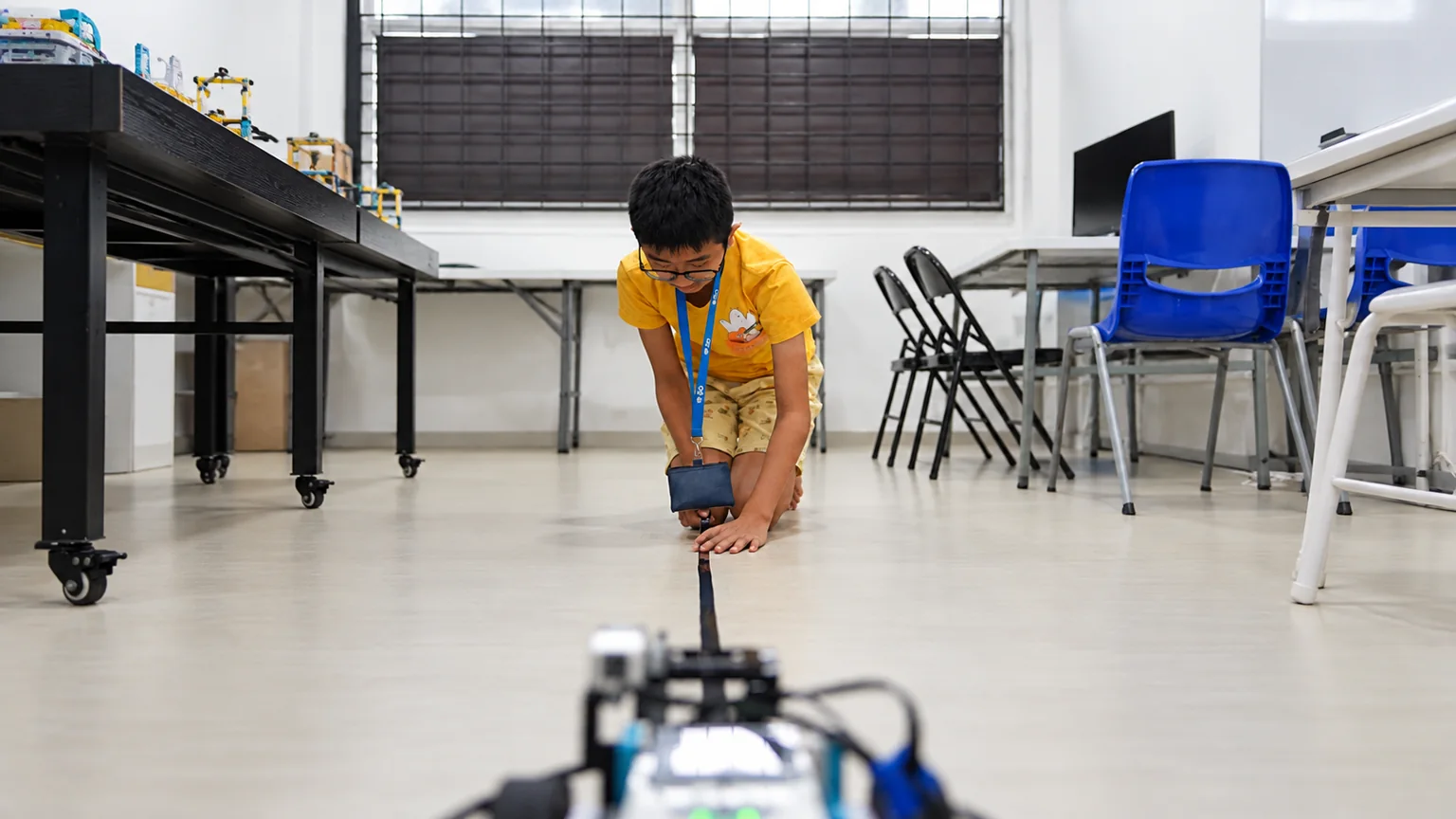
Move beyond screen-based programming by developing robotic systems that sense, respond and operate within three-dimensional environments.
Design, program and refine a robotic solution that responds to environmental conditions or performs a practical task.
Advanced Capabilities for the Real World
Through advanced robotics, AI and engineering projects, students develop the technical, analytical and collaborative capabilities to approach complex problems with greater independence.
Integrate mechanical design, sensors, motors and programming to develop increasingly sophisticated robotic solutions.
Explore how data, patterns and intelligent behaviours can be used to help robotic systems make decisions and respond to different situations.
Break down complex problems, evaluate system performance and refine designs through structured testing and critical analysis.
Communicate technical ideas, contribute to collaborative projects and take increasing ownership of the design and problem-solving process.
A Structured Learning Experience
Students progress through a structured engineering process that encourages investigation, thoughtful design, advanced programming, rigorous testing and effective communication.
Investigate real problems and opportunities.
Design and build advanced robotic solutions.
Program with logic, AI and advanced algorithms.
Test, refine and optimise for maximum impact.
Present and inspire others with your solution.
Every step supports progressive skill development through Meta Robotics’ NEBULA™ Learning Model.
Discover Our NEBULA™ Learning Model →A Structured Developmental Pathway
Our programmes build progressively on students' developing abilities, introducing new challenges as they grow in confidence, independence and technical capability.
King builds on the advanced robotics and coding capabilities developed in Ace, challenging students to integrate engineering, programming, AI and analytical thinking to address increasingly complex real-world problems.
As the final stage of the Meta Robotics learning pathway, King encourages students to take greater ownership of their ideas, solutions and technical development.
Your child's starting level and progression are guided by their abilities, experience and developmental readiness. Explore all programmes →
Developing Independent Problem Solvers
As students tackle more advanced technical challenges, they need opportunities to apply their knowledge rather than simply learn more concepts. King combines structured guidance with increasingly independent projects that encourage students to analyse problems, develop solutions and take ownership of their work.
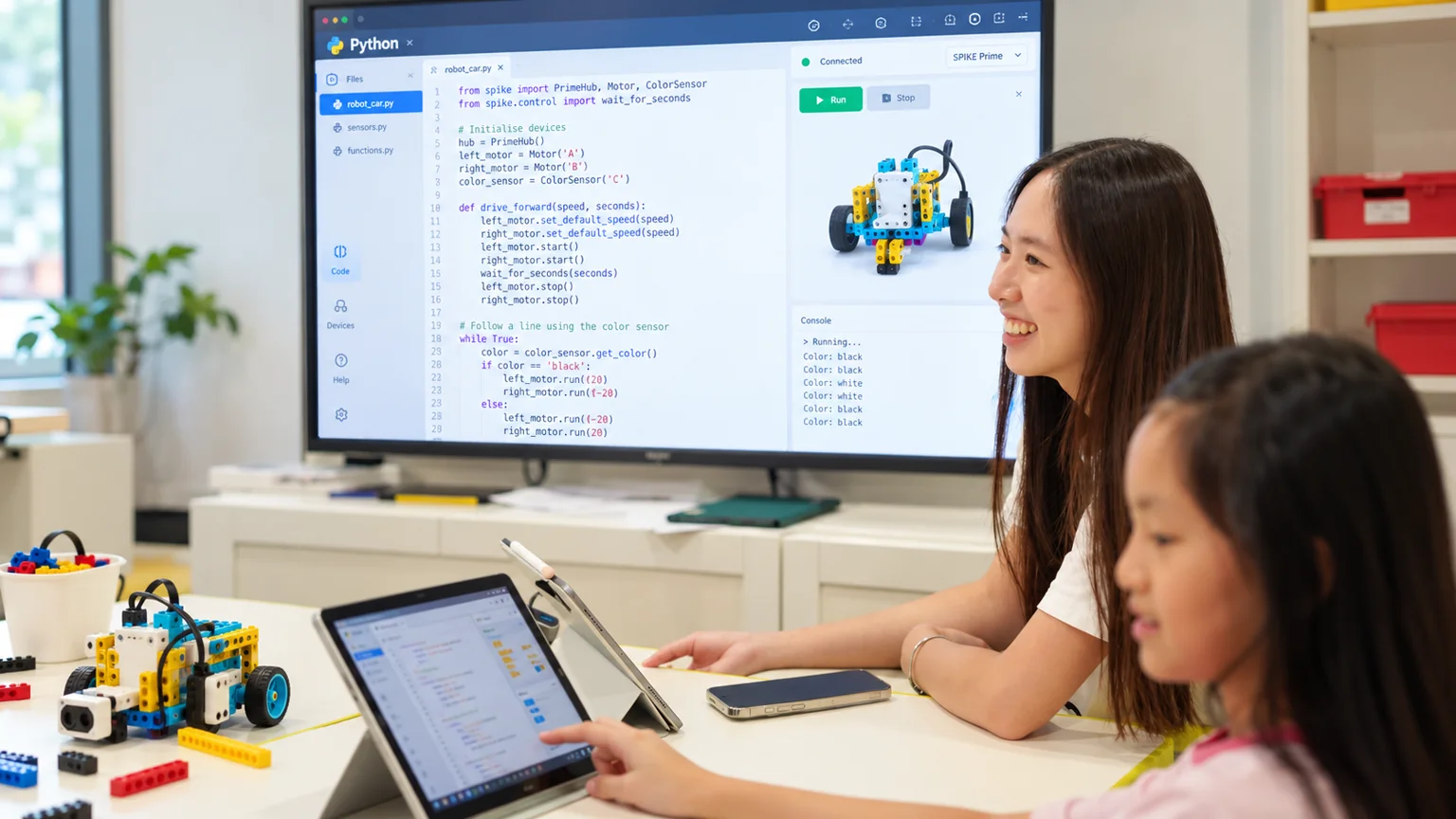
Students build on established robotics and coding foundations through increasingly sophisticated engineering, AI and systems-based challenges.
Projects encourage students to connect technical concepts with practical problems, testing ideas and refining solutions through experimentation.
Students are encouraged to communicate ideas, collaborate with others and take increasing responsibility for their design and problem-solving decisions.
Programme Information
Your Questions, Answered
King introduces advanced robotics, programming and engineering challenges, so a foundation in robotics and coding is beneficial. Placement is guided by each student's abilities, experience and technical readiness. Our team can help determine the most suitable starting level.
Ace develops advanced robotics, coding and engineering capabilities through increasingly sophisticated projects. King builds on these foundations by placing greater emphasis on integrated systems, AI and data thinking, optimisation, real-world problem-solving and independent project work.
Students work with increasingly sophisticated robotic systems involving motors, sensors, programmed logic and autonomous behaviours. They also explore system design, testing and optimisation through practical engineering challenges.
Students explore age-appropriate applications of AI and data within robotics, including how patterns, inputs and information can influence the behaviour and decisions of physical systems. Specific activities and technical depth vary according to the curriculum and learning stage.
King is designed around applying technical knowledge to increasingly realistic problems and constraints. Students investigate challenges, develop robotic solutions, test their ideas and refine their designs through an engineering process.
King is the most advanced level in the Meta Robotics learning pathway. The programme is designed to help students consolidate and extend their robotics, coding, engineering and problem-solving capabilities while developing greater independence in how they approach technical challenges.
Book Your Child's Class
Send us a WhatsApp message and we'll take care of the rest.
Your child's age, preferred location and booking preference are sent to us via WhatsApp.
Our friendly team will get in touch to understand your needs and discuss suitable options.
We'll help you find a suitable session. Once you've selected your preferred slot, we'll guide you through the S$30 payment to confirm your booking.