
What Long-Term Advantages STEM Education Provides Beyond Academics
STEM education, particularly early stem education, extends far beyond excelling in Mathematics or science; it profoundly shapes children's futures. It hones critical thinking and fosters creativity while cultivating resilience, collaboration, and practical problem-solving abilities, preparing children for successful careers in a technology-driven landscape. At Meta Robotics in Singapore, their coding classes demonstrate how hands-on STEM experiences nurture lifelong curiosity and self-assurance. Explore these long-term benefits of preschool stem and cognitive development and understand why they remain vital in today's world, alongside healthcare advancements.
Key Takeaways:
- STEM education builds critical thinking and problem-solving skills, enabling kids to tackle complex global challenges in everyday life and future careers beyond the classroom.
- It fosters creativity, STEM skills, and adaptability, equipping young children with persistence resiliency to thrive in a rapidly changing tech-driven world.
- STEM learning promotes collaboration skills, communication skills, and lifelong learning, preparing kids for job market success and real-world applications.
Building Critical Thinking and Problem-Solving Skills
STEM education supercharges critical thinking and problem-solving skills by immersing kids in hands-on learning where they tackle challenges through trial and error and logic analysis.
In stem learning, children practice analytical thinking by breaking down complex problems, much like debugging code in Meta Robotics' coding classes in Singapore. These classes use real-world applications such as building simple robots to solve puzzles, which sharpens pattern recognition and reduces science anxiety. Kids gain confidence as they see STEM concepts come alive.
Design thinking takes center stage in these programs, encouraging students to ideate, prototype, and test solutions iteratively. For instance, designing a robot arm to pick up objects teaches problem solving through hands-on projects that mirror future engineering tasks. This approach also combats math anxiety by making abstract ideas tangible and fun.
Meta Robotics integrates STEM activities that foster creative problem solving, preparing kids for STEM careers with skills like persistence and adaptability. Through group coding challenges, they build collaboration skills while addressing global challenges like sustainable energy models. These experiences lay a foundation for lifelong learning beyond the classroom.
Fostering Creativity and Innovation
Through STEM programs, children unleash creativity and innovation as innovation leaders in the making, experimenting with hands-on projects that spark creative problem solving.
These activities encourage kids to think beyond textbooks. They tackle challenges through trial and error, building risk-taking skills essential for a tech-driven future. For example, designing a simple robot teaches them to iterate on ideas until success.
Meta Robotics courses for kids in Singapore stand out with project-based learning in STEM initiatives. Children construct models that blend science technology, engineering mathematics, fostering persistence resiliency when hands-on projects face setbacks. This approach mirrors real-world STEM careers like video game programmer or automotive engineer.
STEAM education integrates arts into STEM, enhancing design thinking. Kids in these stem programs gain flexibility adaptability, preparing them for future careers in fields like artificial intelligence. Experts recommend such hands-on learning to nurture lifelong curiosity and innovation.
Developing Collaboration and Communication Skills
STEM activities shine in developing collaboration skills and communication skills, as kids team up on group projects to boost teamwork skills and social awareness.
In these hands-on projects, children discuss ideas, share roles, and solve challenges together, boosting teamwork skills. This builds communication collaboration essential for stem fields like engineering and science technology.
Classes at Meta Robotics in Singapore offer real-life situations through project-based learning. Kids design robots, requiring them to explain concepts and listen to peers, enhancing their educational journey.
These experiences prepare students for future careers in STEM careers, where teamwork tackles global challenges like climate change. Parents notice improved problem-solving skills and confidence in group settings.
Enhancing Adaptability and Resilience
STEM education enhances adaptability and resilience by teaching kids flexibility adaptability through stem activities that build persistence resiliency.
Children face hands-on projects that mimic real-world problems, like designing a bridge that holds weight or coding a simple robot to navigate obstacles. These stem activities encourage trial and error, helping kids adjust when plans fail. This process fosters problem-solving skills essential for a tech-driven future.
Meta Robotics' hands-on lessons in Singapore exemplify this approach. Students build and program robots, learning to tweak designs after failures. Such project-based learning builds resilience, preparing them for future careers in STEM fields where change is constant.
In everyday life, this translates to lifelong learning, supporting life skills. Kids develop persistence resiliency to tackle global challenges like climate change or artificial intelligence advancements. They gain confidence in risk-taking and responsible decision-making, skills that last beyond academics.
Preparing for Future Career Opportunities
Getting kids into stem education early opens doors to exciting career paths like video game programmer, automotive engineer, and wildlife biologist, boosting stem careers and stem occupations.
These paths demand problem-solving skills and hands-on learning that STEM programs build from a young age. Children explore stem concepts through activities like coding robots or designing bridges, preparing them for roles such as food scientist or sound engineer.
Meta Robotics' coding classes in Singapore offer ideal preparation for STEM summer camps and stem enrichment. They teach coding and logic analysis in fun ways, helping kids gain technological proficiency for career paths like technical writer or astronomer.
- Develop critical thinking by debugging code, much like an automotive engineer tests designs.
- Practice collaboration skills in team projects, essential for wildlife biologist fieldwork.
- Build pattern recognition through experiments, key for a video game programmer.
Encouraging Lifelong Learning
STEM sparks lifelong learning by fueling curiosity understanding and turning education into an exciting educational journey.
Children engaged in STEM activities develop a passion for exploration that lasts beyond school. Hands-on projects teach them to question, experiment, and learn from trial and error. This builds persistence resiliency essential for future challenges.
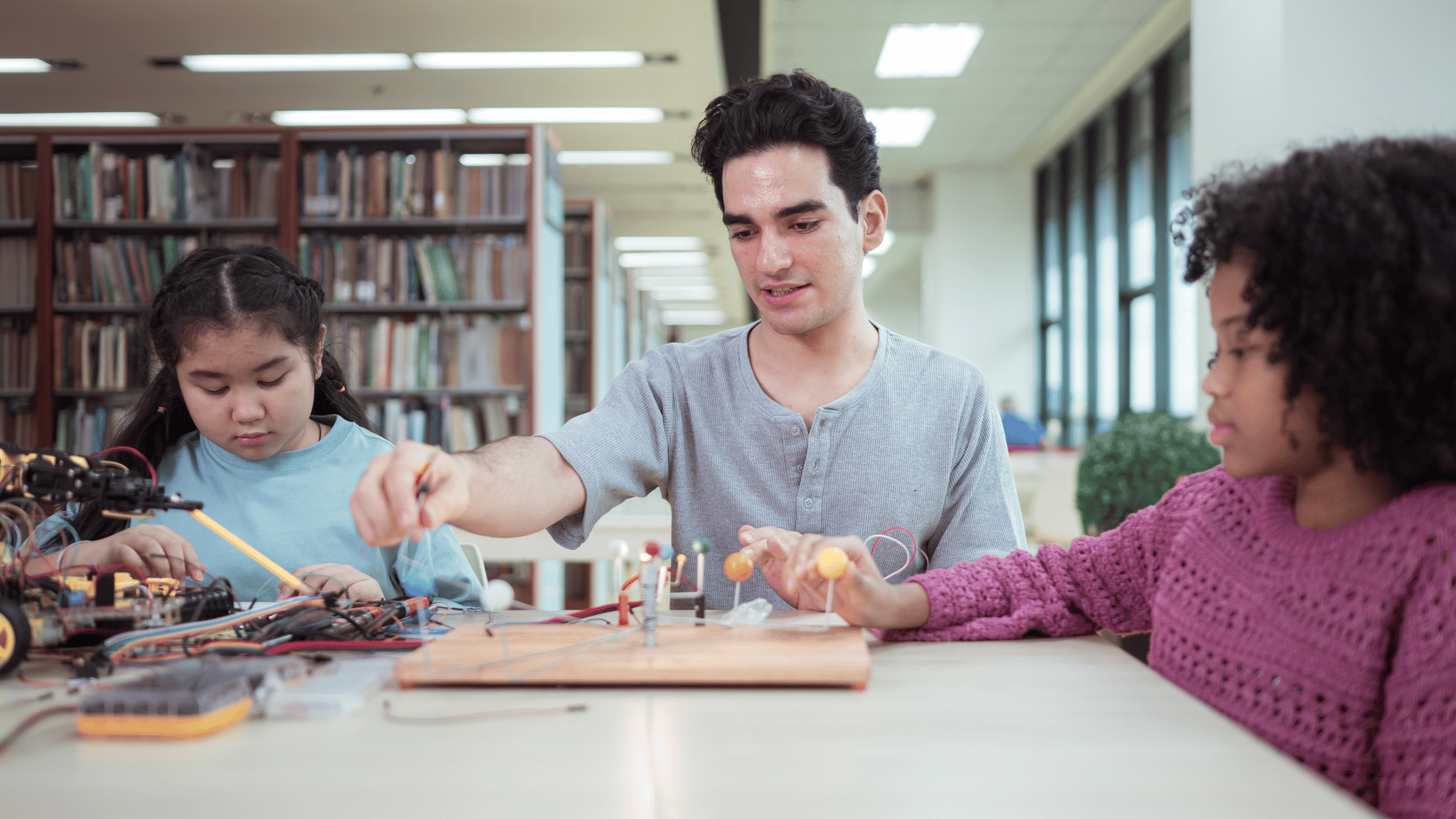
Stem programs like those from Meta Robotics in Singapore emphasize sustained high-quality stem through robotics and coding workshops. These initiatives nurture problem-solving skills and critical thinking, encouraging kids to pursue STEM careers with enthusiasm. Participants often continue learning independently, applying STEM concepts to real-life situations.
Experts recommend integrating project-based learning to foster adaptability and technological proficiency. For instance, building simple robots helps young children grasp engineering mathematics and science technology. This approach turns learners into innovation leaders ready for a tech-driven future.
Building Essential Life Skills
Beyond academics, STEM education builds essential life skills like responsible decision-making through practical, real-world applications. Kids tackle hands-on projects that mirror real-life situations, such as designing a simple bridge or coding a basic robot. This approach fosters problem-solving skills and critical thinking from an early age.
In stem programs like Meta Robotics' stem enrichment for kids in Singapore, children engage in project-based learning that emphasizes trial and error. They learn to analyze failures, like when a robot veers off course, and adjust their designs. Such hands-on learning builds persistence resiliency and adaptability, key traits for navigating life's uncertainties.
Collaboration skills and communication skills also thrive in group STEM activities. For instance, elementary school students in Meta Robotics' hands-on lessons and minds-on lessons team up to solve global challenges like modeling sustainable energy solutions. This mirrors real-life situations in STEM careers, preparing kids for future careers.
Through design thinking and pattern recognition, participants develop analytical thinking and logical analysis. Meta Robotics integrates these into their curriculum, helping young children gain technological fluency and digital literacy. Ultimately, these life skills support lifelong learning and confident decision-making in a tech-driven future.
Growing Academic Confidence
STEM programs grow academic confidence by reducing science anxiety and math anxiety while driving academic achievement. Hands-on learning in these programs turns abstract concepts into tangible experiences. Students feel empowered as they see their efforts lead to real results, boosting academic confidence and academic achievement.
Meta Robotics plays a key role in building this confidence through hands-on STEM projects. Children assemble robots, test designs, and troubleshoot errors, which directly tackles math anxiety. This approach fosters problem-solving skills and a sense of accomplishment.
Regular participation in STEM activities like coding simple programs or engineering models boosts overall academic achievement. It shifts mindsets from fear to curiosity, encouraging trial and error in safe settings. Over time, this builds lasting academic confidence for future challenges.
Experts recommend starting with project-based learning in elementary school to sustain these gains. For example, designing a bridge from everyday materials teaches engineering mathematics without overwhelming pressure. Such STEM initiatives prepare kids for STEM careers with solid self-belief.
Empowering Children to Solve Real-World Problems
STEM gives the power to children to solve real-world problems like climate change and sustainable energy through targeted problem solving in real-life situations. Children learn to apply STEM concepts such as science, technology, engineering, and mathematics to tackle global challenges. This builds critical thinking and analytical thinking from an early age.
In project-based learning, kids engage in hands-on projects that mirror everyday issues. For example, they might design a simple solar-powered device to address sustainable energy needs. Meta Robotics' project-based learning in Singapore uses these real-world applications to foster creative problem solving and teamwork skills.
Through trial and error, children develop persistence resiliency and adaptability. They practice design thinking by prototyping solutions to problems like water conservation amid climate change. This approach turns abstract STEM learning into practical life skills.
Parents can support this at home with STEM activities like building models from recycled materials. Such experiences prepare kids for future careers in STEM fields, from automotive engineer to wildlife biologist. Long-term, it cultivates innovation leaders ready for a tech-driven future.
Exploring Careers and Interests
Early STEM exploration helps kids discover interests and careers, honing STEM skills that could lead to roles like STEAM psychologist.
Through hands-on learning in STEM programs, children experiment with science technology, engineering mathematics, and real-world applications. This builds critical thinking and problem-solving skills, sparking curiosity about STEM careers such as food scientist or video game programmer.
Meta Robotics' coding classes offer project-based learning where kids tackle STEM activities like designing simple robots. These experiences reveal passions for fields like artificial intelligence or automotive engineer, fostering lifelong learning and career path discovery.
Experts recommend early STEM education program to develop communication skills and collaboration skills. Children gain pattern recognition and analytical thinking, preparing them for future careers in STEM fields beyond traditional academics.
How STEM Develops Resilience and Builds Confidence
STEM develops resilience and builds academic confidence through minds-on lessons that encourage overcoming setbacks. Students face hands-on projects where trial and error become part of the process. This approach turns frustration into growth during STEM learning.
Meta Robotics' hands-on projects in Singapore offer a prime example. Children design simple robots, debugging failures step by step. Such project-based learning fosters persistence resiliency and reduces science anxiety or math anxiety.
Problem-solving skills grow as kids tackle real-world applications like sustainable energy models. They learn risk-taking in safe settings, boosting academic confidence. Over time, this builds lifelong learning habits for future careers.
Experts recommend early STEM education to nurture these traits. Through teamwork skills and collaboration skills, students gain flexibility adaptability. This prepares them for STEM careers with strong life skills.
The Role of STEM in Fostering Lifelong Curiosity
STEM plays a key role in fostering lifelong curiosity, especially through preschool STEM for young children.
Early STEM education introduces hands-on learning that sparks interest in science, technology, engineering, and mathematics. Young children explore STEM concepts through simple activities like building blocks or mixing colors, building a foundation for curiosity understanding. This approach turns everyday play into opportunities for discovery.
In Singapore, programs like Meta Robotics enhance early STEM education with engaging robotics kits designed for preschoolers. These tools promote cognitive development by encouraging trial and error in fun ways, such as programming basic robots to move. Parents and educators notice how such STEM initiatives keep children eager to learn more.
Lifelong curiosity grows from these early experiences, leading to problem-solving skills and analytical thinking that last into adulthood. Children who start with preschool STEM often show greater academic confidence and persistence in facing challenges. Meta Robotics stands out for making high-quality STEM accessible in Singapore's dynamic educational landscape.
STEM Education and Its Impact on Future Job Market Success
STEM education impacts future job market success by building digital literacy, technological proficiency, and readiness for health sciences healthcare advancements and life sciences engineering positions. Students gain skills that match the demands of a tech-driven future. These abilities open doors to high-demand STEM careers.
Hands-on learning through STEM activities teaches problem-solving skills and critical thinking. For example, designing a simple robot helps students practice trial and error in real-world applications. This prepares them for roles like automotive engineer or video game programmer.
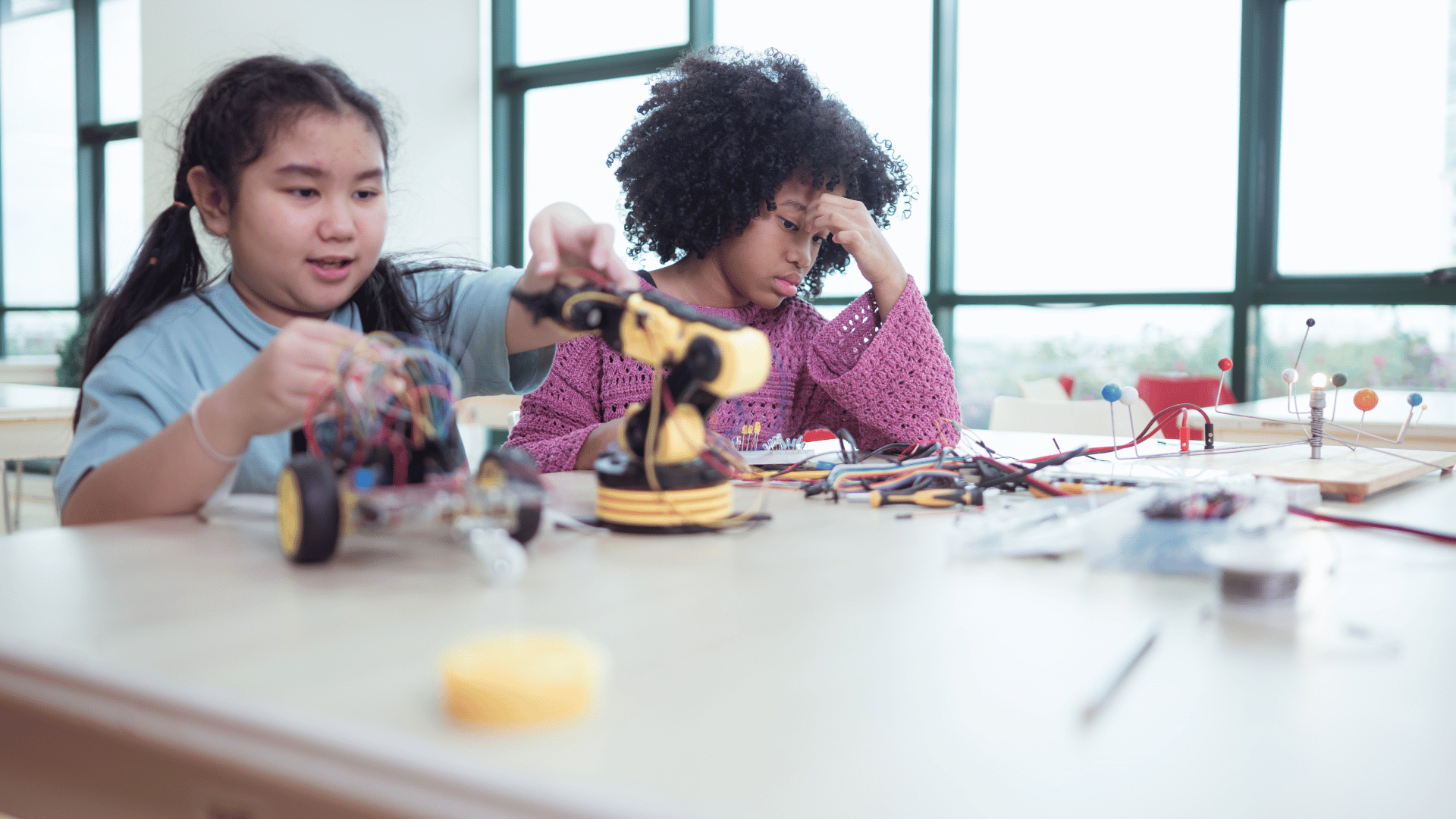
Initiatives like Engineering For Kids and Engineering For Kids® Meta Robotics' programs support women in STEM, girls of color and minority students by offering access to STEM summer camps. These efforts promote diversity in fields like sustainable energy and artificial intelligence. Such support builds teamwork skills and collaboration skills essential for future jobs.
Project-based learning in STEM fosters adaptability and lifelong learning. Students tackling global challenges like climate change develop analytical thinking. This edge helps them thrive in STEM occupations amid rapid changes.
Frequently Asked Questions
What Long-Term Advantages STEM Education Provides Beyond Academics for Career Success by 2031, According to the U.S. Department of Commerce and National Science Foundation?
STEM education, such as Meta Robotics' coding classes, STEM summer camps for kids from middle school to high school in Singapore, equips children with problem-solving and innovation skills that lead to high-demand careers as STEM employees in tech, engineering, and robotics. Long-term, these advantages translate to higher earning potential and job security in a rapidly evolving job market.
What Long-Term Advantages STEM Education Provides Beyond Academics in Building Critical Thinking?
Beyond academics, STEM fosters critical thinking through hands-on projects in coding and robotics at Meta Robotics in Singapore. This lifelong skill helps kids analyze complex problems, make data-driven decisions, and adapt to future challenges in any professional or personal context.
What Long-Term Advantages STEM Education Provides Beyond Academics for Creativity and Innovation?
STEM education encourages creativity by blending science, technology, engineering, and math with real-world applications, like Meta Robotics' classes for kids in Singapore. Long-term, it nurtures innovative mindsets, enabling individuals to invent solutions and thrive in entrepreneurial ventures.
What Long-Term Advantages STEM Education Provides Beyond Academics in Collaboration Skills?
Through team-based coding and robotics projects at Meta Robotics in Singapore, STEM education builds collaboration and communication skills. These advantages extend long-term into workplaces, where teamwork is essential for leadership roles and successful project outcomes.
What Long-Term Advantages STEM Education Provides Beyond Academics for Technological Adaptability?
STEM programs like those at Meta Robotics prepare kids for a digital future by teaching adaptability to emerging technologies. Beyond academics, this leads to lifelong resilience against tech disruptions, ensuring individuals remain relevant in an AI-driven world.
What Long-Term Advantages STEM Education Provides Beyond Academics for Personal Development?
STEM education promotes perseverance, curiosity, and ethical reasoning through engaging classes like Meta Robotics' coding for kids in Singapore. Long-term, these traits enhance personal growth, confidence, and the ability to tackle real-life challenges effectively.