
How Robotics Competitions Help Students Apply Classroom Knowledge
You can transform math equations and physics lessons into practical applications by building robots that navigate mazes or compete in FIRST LEGO® League challenges. These robotics competitions in Singapore take classroom theory and turn it into exciting, hands-on experiences. They sharpen essential skills like problem-solving, teamwork, and coding, which are crucial for future careers in STEM fields. Real-world examples and practical tips for parents and teachers illustrate how events like those offered through Meta Robotics' kid-friendly classes in Singapore spark innovation and build resilience in primary school students.
Key Takeaways:
- Robotics competitions bridge classroom theory and practice by letting school students apply math, physics, and programming to design functional robots.
- They enhance problem-solving, critical thinking, and creativity through real-world challenges that demand innovative solutions.
- Competitions build teamwork, resilience, and technical skills like coding, preparing students for STEM careers.
How Robotics Competitions Bridge Classroom Theory and Practice
Robotics competitions turn abstract classroom lessons into tangible robot-building adventures. In Singapore, students apply LEGO EV3 programming skills from primary school to real-world challenges. This hands-on approach helps them see how theory works in practice.
Competitions like the National Robotics Competition (NRC) in Singapore require teams to design and build robots based on the competition theme for the year. Kids program autonomous robots to complete missions, blending coding lessons with problem solving. The competition comprises building, programming, and presentation tasks that test classroom knowledge.
For example, a component based on the competition might involve creating an intelligent robot that navigates obstacles using sensors learned in STEM class. Primary school students in Singapore use LEGO EV3 platforms to engineer solutions for mission-based challenges. This project-based work fosters creativity and problem-solving skills.
Teams often prepare for events at the Science Centre Singapore, turning theory into strategic science and technology. Through design and build projects, students compete while applying concepts like loops and conditionals from coding lessons. Such experiences in robotics competitions in Singapore build confidence in future innovators.
Hands-On Application of STEM Concepts
Getting hands dirty with STEM education? Robotics competitions are the ultimate playground for that. Robotics competitions are the ultimate playground for that. Students engineer robots from scratch, turning abstract ideas into working machines. This hands-on application builds real skills in a fun way.
In competitions like the National Robotics Competition (NRC) in Singapore, teams showcase their work through mission-based challenges. They apply strategic thinking to design solutions that meet specific goals. Creativity and problem-solving shine as participants tweak designs under pressure.
These events prepare students by teasing key areas like math, physics, and coding. For example, calculating robot paths involves geometry and forces. Programming brings designs to life with precise instructions.
Robotics competitions in Singapore, such as VEX or WRO, encourage team collaboration. Primary schools from primary level compete, fostering innovation for the next generation. It's a perfect bridge from classroom to real-world engineering.
Applying Math and Physics in Robot Design
Math and physics come alive when kids calculate trajectories for their LEGO robots. In Singapore's NRC at the Science Centre Singapore, teams build robots to complete scoring missions within time limits. This demands precise use of geometry for paths and force calculations for stability.
Students measure angles and speeds to navigate obstacles. Physics principles like friction and momentum guide motor choices. These steps turn theory into practical science and technology applications.
For missions in competition themes like autonomous delivery, teams test prototypes repeatedly. They adjust weights for balance and predict motion outcomes. This iterative process sharpens problem-solving skills.
Events like RoboCup Singapore or VEX leagues highlight how math ensures robots flip objects accurately. Participants from primary schools to national level competition gain confidence in STEM. It's engineering in action for future innovators.
Programming Real-World Algorithms
Programming real algorithms means watching your robot execute commands flawlessly. In Singapore competitions like Robomaster or VEX, students program EV3 platforms or AI-driven bots. This teaches programming for autonomous behavior in dynamic environments.
Teams write code for sensors to detect colors or lines, common in mission-based challenges. Loops and conditionals handle decisions, like avoiding walls during scoring missions. Debugging under competition rules builds resilience.
DJI Robomaster youth events push for next generation skills with intelligent systems. Code must integrate vision for target tracking. This mirrors real-world uses in robotics.
For future innovators, platforms like LEGO EV3 offer block-based entry to advanced scripting. Competitions such as NRC or World Robot Olympiad (WRO) reward efficient algorithms. Students emerge ready for competitive robotics at global robotics levels.
Enhances Problem-Solving Through Practical Challenges
Tackling tricky missions sharpens problem-solving skills like nothing else. In mission-based robotics competitions in Singapore, students face real-world obstacles that demand quick thinking and adaptation. These challenges turn abstract concepts into hands-on tests of ingenuity.
The National Robotics Competition (NRC) at Science Centre Singapore is a prime example. Teams design and program Lego robots to complete tasks tied to the competition theme for the year, such as navigating mazes or sorting objects. This setup builds critical thinking as students troubleshoot failures on the spot.
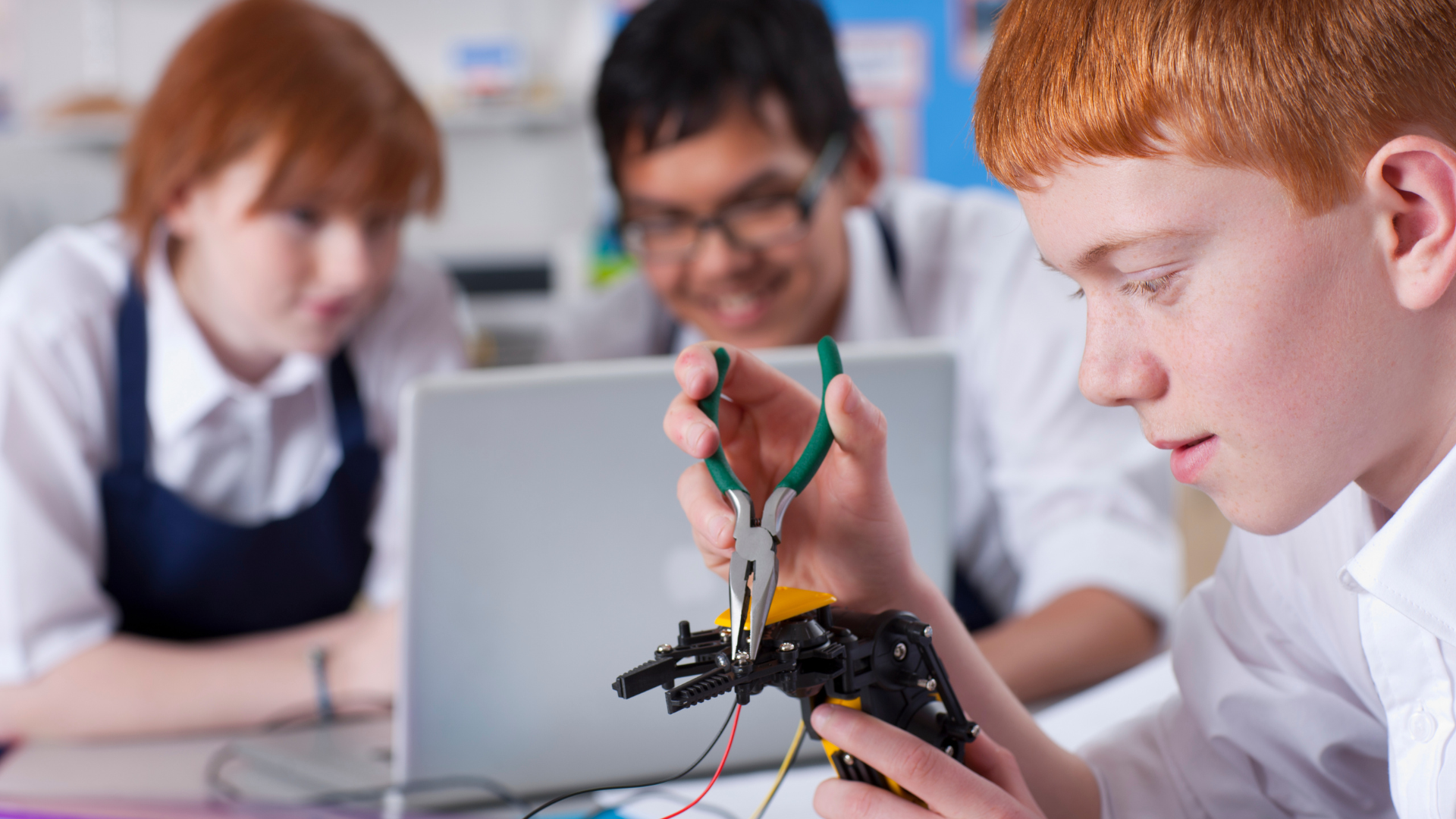
Events like WRO (World Robot Olympiad) and VEX competition has attracted participants from primary schools across Singapore. Students must strategize for scoring missions within time limits, often incorporating autonomous behaviors with EV3 platforms. Such competitive robotics fosters resilience when initial designs flop.
RoboCup Singapore adds a layer with presentation component based on the competition theme. Teams explain their engineering choices, blending creativity and problem-solving. These experiences prepare students for STEM education beyond the classroom, much like global robotics events such as the World Robot championships.
Develops Critical Thinking and Logical Reasoning
Competitions train young minds to think critically under pressure. Students face strategic robot challenges that demand quick analysis and adaptation. This mirrors real-world engineering scenarios in robotics competitions in Singapore.
In the National Robotics Competition (NRC) at Science Centre Singapore, teams tackle mission-based tasks. Participants must program LEGO EV3 robots to complete scoring missions within time limits. This builds logical reasoning through trial and error.
RoboCup Singapore and RCAP (RoboCup Asia-Pacific) elevate challenges to international competition levels. Students design autonomous robots for complex themes like rescue operations. They learn to predict outcomes and refine strategies on the spot.
Events like MaX and VEX encourage problem-solving in competitive formats. Teams compete in national level competitions, fostering critical thinking via teamwork and innovation. These experiences prepare students as future innovators in STEM.
Fosters Creativity and Innovation
Unleash creativity by inventing solutions to wild competition themes. In events like FLL and WRO, students use LEGO® robots to tackle unique challenges. This pushes them to think beyond textbooks.
Kids design and build LEGO robots for missions based on the competition theme. For example, they might create autonomous bots for disaster relief scenarios. Such tasks spark innovation through trial and error.
Competitions like the Robomaster 2022 Youth Championship and official competition events encourage teams to integrate AI and coding. Participants in national robotics competition settings, such as those at Science Centre Singapore, showcase creativity and problem-solving. These experiences turn abstract ideas into working prototypes.
In robotics competitions in Singapore, like NRC or RoboCup Singapore, students compete at national level competition. They present project-based solutions with a presentation component based on the competition theme. This builds confidence as future innovators in STEM education.
Builds Teamwork and Collaboration Skills
Team up to build and compete—teamwork makes the robot dream work! In Singapore's national robotics competition, such as the NRC organized by the Science Centre Singapore, participants learn to divide tasks among partners. participants learn to divide tasks among partners. This setup mirrors real-world engineering teams.
Competitive robotics demands clear communication during design and build phases. Students assign roles like coding the robot's movements or testing Lego EV3 components. Partners must align on the competition theme to score missions effectively.
In leagues like VEX or WRO, teams practice resolving conflicts while programming autonomous robots. A participant might handle the mechanical arm while another focuses on AI integration. This fosters trust and shared problem-solving.
- Brainstorm ideas together for the mission-based challenges.
- Test robots as a group to spot errors quickly.
- Present the project component based on the competition theme with everyone contributing.
Experiences from RoboCup Singapore or FLL show how collaboration turns individual skills into collective success. School students emerge as confident team players ready for STEM challenges.
Teaches Resilience and Perseverance
Bouncing back from robot fails builds unbeatable resilience. Students in robotics competitions face frequent setbacks, like a wheel slipping off during a mission or code glitches halting autonomous movement. These moments teach them to analyze errors and try again.
Gearing up for 2025 competitions like the National Robotics Competition (NRC) in Singapore demands perseverance. Teams spend weeks debugging Lego EV3 robots for mission-based challenges tied to the competition theme. Each failure sharpens their problem-solving skills.
In national level competitions such as NRC or VEX, participants rebuild after test runs expose flaws. This mirrors real engineering, where STEM projects rarely succeed on the first attempt. Students learn to iterate designs under time pressure.
Preparing for international competitions like WRO or RoboCup pushes resilience further. Singapore teams often advance from Science Centre Singapore events to global stages, turning local practice into world-class grit. Experts recommend logging failures to track progress and celebrate small wins.
Improves Time Management and Project Planning
Juggling deadlines for robot projects hones time management mastery. Students learn to participate in robotic competition in Singapore, breaking down complex tasks into manageable steps. This skill transfers directly to classroom assignments and beyond.
In events like the National Robotics Competition (NRC) at Science Centre Singapore, teams must design, build, and program robots while preparing a presentation component based on the competition theme. Participants allocate time for coding, testing, and rehearsals to compete effectively. Such project-based planning mirrors real-world engineering workflows.
For example, in VEX or WRO competitions, school students tackle mission-based challenges with strict timelines. Teams create schedules for prototyping with LEGO EV3 kits, debugging autonomous functions, and practicing scoring missions. This fosters discipline and adaptability under pressure.
Experts recommend starting with a project timeline that includes milestones for research, construction, and review. In RoboCup Singapore or FLL leagues, overlooking planning often leads to rushed submissions. Mastering these habits builds confident, strategic innovators ready for STEM challenges.
Boosts Technical Skills Like Coding and Engineering
Level up coding and engineering chops through intense robot builds. Students in robotics competitions like VEX and RoboCup Singapore tackle real-world challenges. They program robots to complete missions, blending classroom theory with hands-on practice.
In VEX robotics, teams design and build robots from components to compete in mission-based challenges. Participants write code for autonomous movements and strategic maneuvers. This sharpens skills in programming languages like C++ and mechanical engineering principles.
RoboCup Singapore and national robotics competitions push students to engineer intelligent systems. Events at Science Centre Singapore focus on AI and problem-solving themes. Teams collaborate to create robots that navigate obstacles, fostering STEM education through competition.
DJI Robomaster and global robotics leagues add layers of complexity with drone integration and high-speed battles. Students optimize code for real-time decisions and build durable frames. These experiences turn novices into skilled engineers ready for advanced projects.
Prepares Students for Future STEM Careers
These competitions pave the way for STEM superstars of tomorrow. Students in robotics competitions in Singapore apply classroom lessons to real-world challenges. This hands-on experience builds skills that employers value in engineering and technology fields.
The Ministry of Education supports these events to foster innovation among youth. Participants design and build Lego EV3 robots or program autonomous systems for missions. Such activities mirror tasks in STEM careers like robotics engineering.
At the Science Centre Singapore, competitions like the National Robotics Competition (NRC) encourage problem-solving and teamwork. Students compete in mission-based challenges, preparing them for roles in AI and automation. Experts recommend these platforms for developing future innovators.
Global events such as WRO or VEX connect local participants to international standards. Teams showcase creativity through project-based presentations. This exposure equips students for competitive careers in science and technology.
Real-World Examples from Popular Competitions
Check out success stories from NRC, WRO, and FLL in Singapore. These robotics competitions in Singapore let school students apply classroom knowledge in hands-on ways. Teams design and build robots to tackle real challenges.
In the National Robotics Competition (NRC) at Science Centre Singapore, primary school participants compete in categories like mission-based tasks. Students program LEGO robots to complete scoring missions within a time limit. This builds skills in coding and problem-solving.
The World Robot Olympiad (WRO) features an annual competition theme for the year, such as future innovators in 2025. Teams from Singapore engineer autonomous robots for international competition. It encourages creativity through robot design and strategic planning.
FIRST LEGO League (FLL) focuses on STEM education with project-based challenges. Participants in Singapore showcase LEGO robots in a presentation component based on the competition theme. These events turn theory into practice for next-generation engineers.
How Parents and Teachers Can Get Involved
Parents and teachers, jump in—support your school students in Singapore's robotics scene, backed by the Ministry of Education! Your involvement can turn classroom lessons into hands-on robotics competitions in Singapore. Start by exploring local events like the National Robotics Competition (NRC) or Science Centre Singapore programs.
Guide primary school teams toward competitions such as WRO or VEX. Help them select a competition theme that matches their skills, like building Lego EV3 robots for mission-based challenges. Attend workshops to learn about coding and programming basics.
Encourage team formation with peers interested in STEM education. Assist in designing and building robots for national level competition entries, focusing on problem-solving and creativity. Partner with schools for Ministry of Education supported events.
- Research the list of robotics competitions in Singapore, including RoboCup Singapore and RCAP.
- Volunteer as a coach for competitive robotics leagues like FLL.
- Organize practice sessions for autonomous missions and presentation components.
- Connect with Science Centre Singapore for official competition resources.
Finding Local Competitions for Primary School Students
Look for primary school friendly events like the National Robotics Competition (NRC) to find the list of robotics competitions. These often feature Lego® based challenges with competition themes on future innovators. Check platforms hosted by Science Centre Singapore.
School students can participate in RoboMaster Youth Championship style events or MAKEX. Focus on mission-based tasks that build critical thinking. Local competition in singapore calendars list dates for 2025.
Explore World Robot Olympiad (WRO) qualifiers and DJI RoboMaster youth leagues. These emphasize design and build processes. Encourage teams to showcase innovation through project-based entries.
Preparing Teams for Success
Help school students master coding and robot assembly for EV3 platforms. Practice scoring missions based on the competition theme for the year. Simulate national robotics environments at home or school.
Develop strategic skills for autonomous robots in global robotics events. Include presentation components to explain engineering choices. Use STEM kits for regular drills.
Foster teamwork and problem-solving during prep for international competition like FLL or RoboCup Asia-Pacific. Track progress with mock championship runs. Celebrate small wins to build confidence.
Volunteering and Long-Term Support
Become a partner by judging or mentoring at robotic competition venues. Support primary school teams in VEX leagues or competitive robotics. Your time aids science and technology growth.
Organize after-school clubs focused on AI and programming. Guide entry to official competition like NRC. Connect with engineer volunteers for expert tips.
Sustain involvement by tracking 2025 events and next generation challenges. Promote creativity and problem-solving in every session. Watch students evolve into skilled innovators.
Frequently Asked Questions
Got questions about robotics competitions? We've got answers. These events, especially in Singapore like the National Robotics Competition (NRC) at Science Centre Singapore, help students apply classroom knowledge through hands-on STEM education.
Common queries cover starting age, experience levels, and skill gains. Events such as WRO, VEX, and RoboCup Singapore tie directly to school curriculums. They build problem-solving and teamwork in a fun way.
Whether you're a parent or teacher, these answers highlight how robotics competitions in Singapore prepare students for 2025 challenges. From LEGO builds to AI missions, they foster innovation and critical thinking.
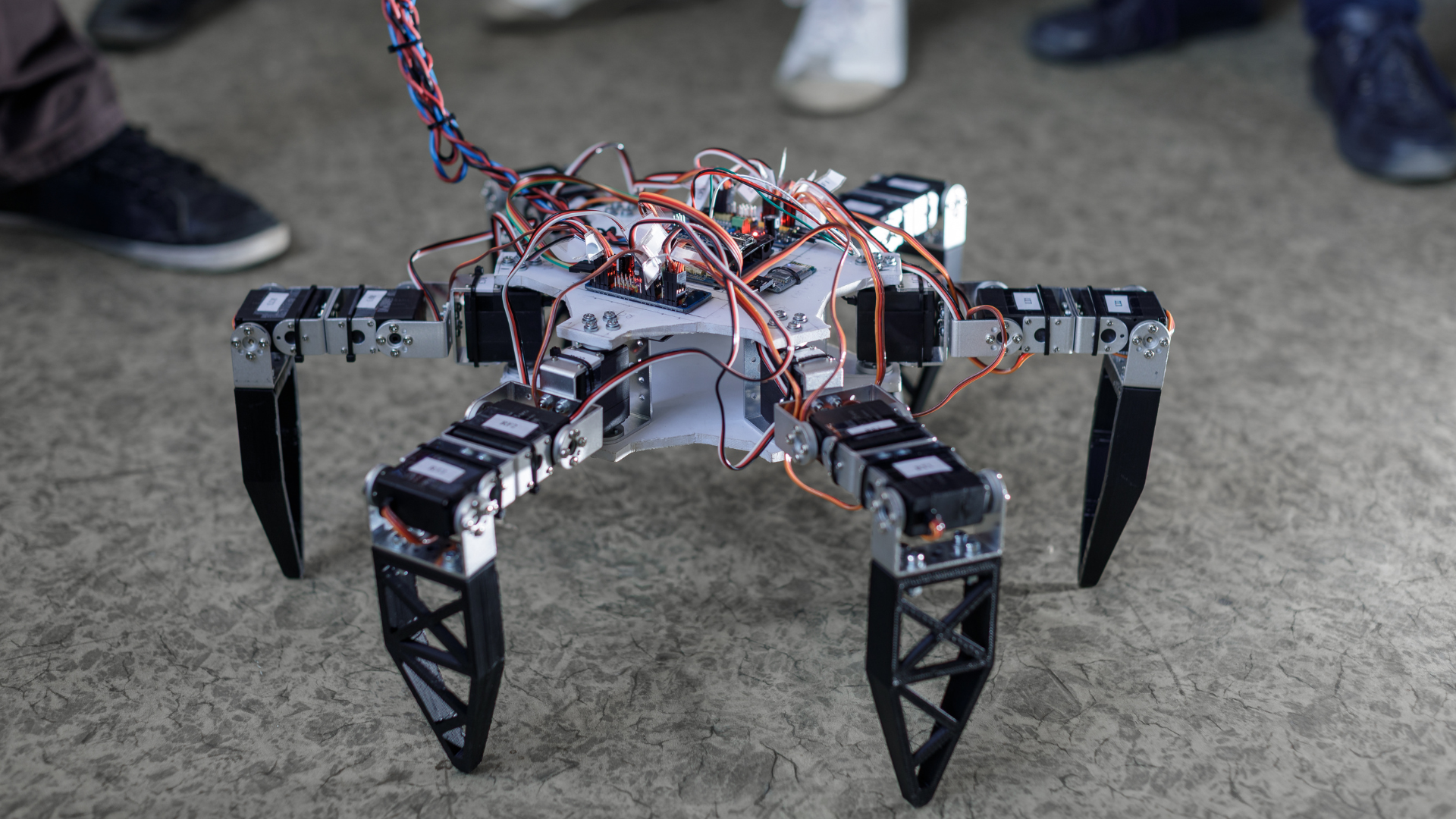
Explore local options like NRC or global ones like FLL. Each competition theme encourages design and build projects that mirror real engineering.
What age is best to start robotics competitions?
Primary school is perfect to kick off robotics adventures in Singapore. Young students can join beginner categories in events like NRC or LEGO based leagues.
These competitions offer age groups from primary school levels, matching STEM education stages. Kids build simple robots for missions, sparking interest in coding and engineering early.
Options like WRO junior or VEX IQ suit ages 8 and up. Participants learn through team challenges, gaining confidence before secondary school.
Starting young builds a foundation for national level competitions like RoboCup Singapore. It aligns with Ministry of Education goals for hands-on science and technology.
Do students need prior experience?
Nope! Many competitions welcome coding newbies. Entry levels in NRC or LEGO events start with basic kits like EV3.
Beginners get project-based guidance to assemble and program robots. Teams practice mission-based tasks without advanced skills, focusing on fun learning.
Examples include VEX introductory divisions or FLL discovery programs. Schools often provide workshops for first-time participants.
This approach ensures everyone can compete in Singapore robotics competitions. It turns novices into confident innovators ready for more complex themes.
How do competitions align with school curriculum?
They sync perfectly with Ministry of Education STEM goals. Robotics competitions reinforce math, science, and tech through practical application.
In Singapore, NRC and RoboCup Asia-Pacific (RCAP) match syllabus topics like physics and programming. Students apply classroom concepts to autonomous robots and scoring missions.
Events feature presentation components based on competition themes, blending research with builds. This mirrors project-based learning in schools.
From primary school to national levels, they enhance creativity and problem-solving. Teachers use them to extend lessons on engineering and AI.
What skills are most improved by competitions?
Problem-solving, teamwork, and critical thinking skyrocket. Students debug code and strategize during mission-based challenges.
In NRC or VEX, teams divide roles like builder and programmer. This hones communication and collaboration under time pressure.
- Technical skills: Wiring, programming, and testing LEGO robots.
- Soft skills: Planning, adapting to failures, and presenting ideas.
- Innovation: Designing solutions for yearly competition themes.
Experts recommend these for future-ready engineers. Competitions like WRO build resilience through iterative design and real-world STEM application.
Frequently Asked Questions
How do robotics competitions help students apply classroom knowledge in math?
Robotics competitions require students to use mathematical concepts like geometry, algebra, and trigonometry from the classroom to design robot paths, calculate trajectories, and optimize structures, turning abstract formulas into practical solutions as promoted in Meta Robotics' coding classes for kids in Singapore.
How do robotics competitions help students apply classroom knowledge in science?
In competitions, students apply physics principles such as force, motion, and energy learned in class to build functional robots, experimenting with real-world applications that reinforce scientific theories through hands-on projects in Meta Robotics' courses for kids in Singapore.
How do robotics competitions help students apply classroom knowledge in programming?
Students translate classroom coding lessons into competition robots by writing algorithms for navigation, sensor integration, and automation, bridging theoretical programming with executable code in engaging challenges offered by Meta Robotics' coding classes in Singapore.
How do robotics competitions help students apply classroom knowledge in engineering?
Competitions encourage applying engineering design processes from class—such as prototyping, testing, and iteration—to construct durable robots, fostering problem-solving skills in a competitive environment like Meta Robotics' programs for kids in Singapore.
How do robotics competitions help students apply classroom knowledge collaboratively?
Team-based robotics competitions mirror classroom group projects but amplify application by requiring students to integrate diverse knowledge areas (math, science, coding) under pressure, building communication and teamwork as emphasized in Meta Robotics' classes for kids in Singapore.
How do robotics competitions help students apply classroom knowledge to real-world problems?
By tackling competition tasks like obstacle courses or missions, students contextualize classroom knowledge into solving authentic engineering challenges, preparing them for future innovations through Meta Robotics' hands-on coding courses for kids in Singapore.