
How Coding Robots Turn Abstract Code into Physical Actions
Imagine your child's code springing to life as a robot dashes across the floor, dodging obstacles or sorting blocks. Coding robot from Meta Robotics transform abstract programming language into something tangible, empowering kids to become true coders. From understanding variables as a robot's memory to mastering loops for automated tasks, this guide explores hands-on learning, enhanced problem-solving skills, and why these tools—from classrooms in Singapore to home environments—are revolutionizing education for the future.
Key Takeaways:
- Coding robot execute abstract code by translating instructions like variables and loops into precise physical movements, making coding learning tangible for kids.
- Variables act as the robot's memory, storing data to enable adaptive actions, while loops automate repetitive tasks like assembly lines.
- Blending play with coding fosters hands-on learning, problem-solving, and creativity, preparing kids for future tech careers through engaging robotics classes.
The Rise of Programmable Robots
The rise of programmable robots has revolutionized how kids aged 6-12 dive into robotics kits and robot toys for kids, sparking critical thinking with activity set from Meta Robotics in Singapore.
These coding robot kits make STEM learning fun and accessible. Young learners build and program robots using simple tools, turning abstract ideas into real movements. Meta Robotics leads with screen-free coding cards that teach basics of coding without devices.
Popularity grows as parents seek hands-on learning toys over screen time. Kits like those from Meta Robotics include building blocks, sensors, and coding sets for beginners. Kids practice computational thinking through play, preparing for computer science basics.
- Start with robot building kits featuring magnetic pieces or LEGO-style blocks.
- Use coding cards to sequence commands like move forward or turn.
- Advance to block-based coding for more complex robot behaviors.
Meta Robotics promotes screen-free STEM education with ready to use activity sets. Their resources help kids grasp programming language basics, from simple commands to sensor integration. This approach builds confidence in young coders through interactive, tangible experiences.
Understanding Coding Robots for Beginners
For beginner, coding robots simplify the basics of coding and computer science using hands-on coding robots that blend coding and robotics with LEGO-style building blocks, DIY sensor, and fun kits.
These programmable robots let kids snap together parts like LEGO building blocks to create custom designs. Add a simple DIY sensor for detecting obstacles, and watch the robot respond in real time. This approach makes abstract ideas tangible right away.
Popular examples include Sphero Bolt or Botley coding robot, which use screen-free coding cards or block-based coding. Kids programme paths or actions without a screen, building critical thinking through trial and error. It's perfect for young learners starting their STEM journey.
In places like Singapore, Meta Robotics' coding classes use these kits for kids to offer guided learning experience. Children aged 7 and up assemble a robot building kit, code basic commands, and see physical results. This hands-on play fosters computational thinking and excitement for computer science.
What Makes Coding Robots Beginner-Friendly
Coding robot for kids stand out with their simple, intuitive designs that avoid complex setups. Most come as ready-to-use kits with pre-built parts or easy drag-and-drop interfaces. Beginners start coding in minutes using visual blocks instead of text-based languages.
Screen-free options like coding cards let children place cards to direct the robot's moves. This teaches sequencing and logic without apps or devices. For app-enabled coding, Bluetooth-connected robots like Sphero pair with beginner tutorials on an edu app.
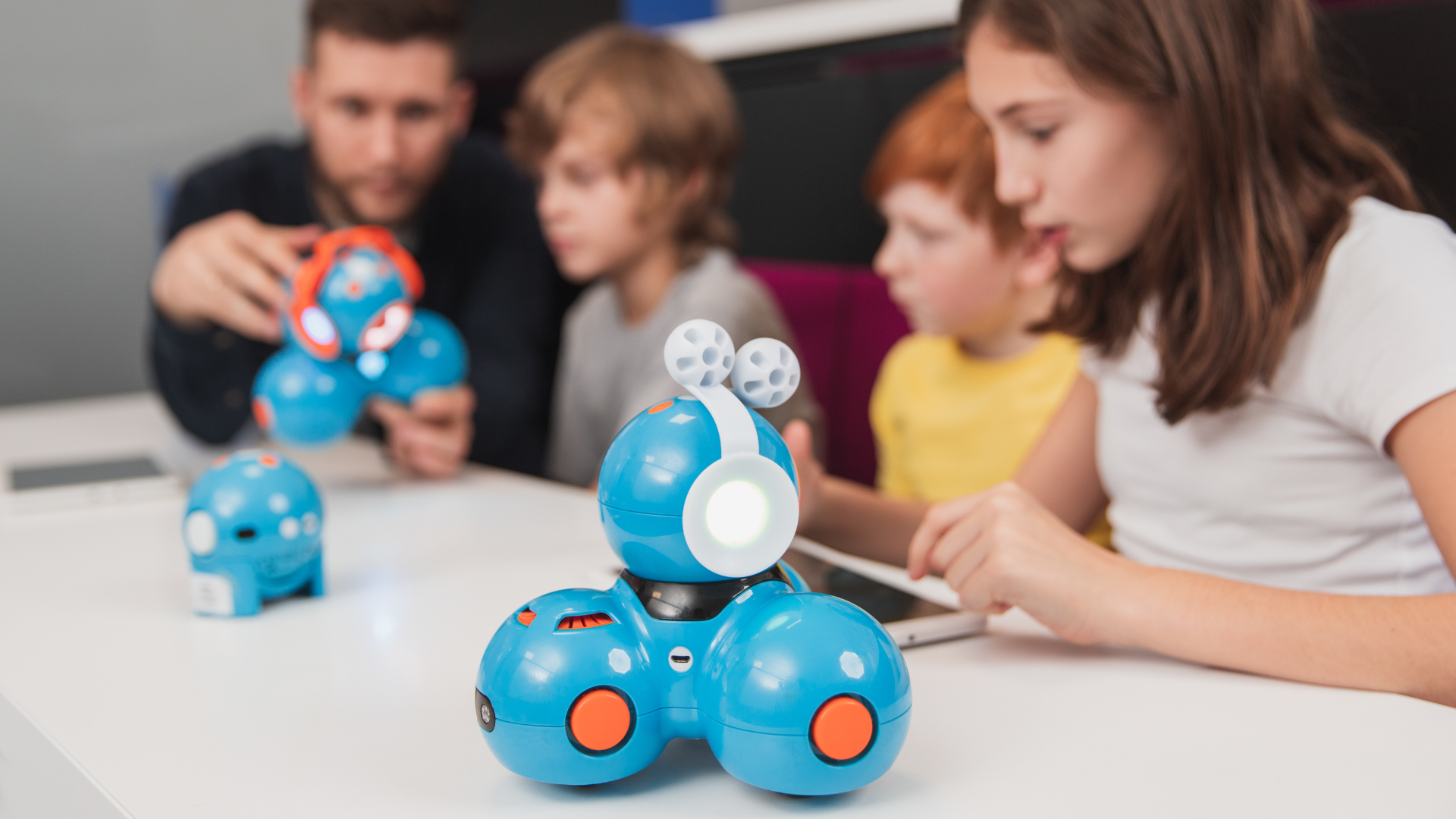
These tools emphasize hands-on play over passive screen time. Kids experiment with remote control features or expandable sensors on a Raspberry Pi base. Experts recommend this for early STEM education, as it builds confidence step by step.
Key Components of a Coding Robot Kit
A typical robotics kit includes motors, wheels, and sensors in LEGO-compatible blocks. DIY elements let kids customize with building blocks for unique creations. Rechargeable batteries ensure long play sessions without interruptions.
Coding comes via screen-free coding cards, block-based apps, or starter Python scripts. For example, programme a little robot to follow lines using a line sensor. Free lessons and lesson plans guide from beginner to advanced levels.
- Building blocks for structural design
- DIY sensors for environmental interaction
- Coding set with cards or app for programming
- Activity set with tutorial challenges
Such components in Meta Robotics classes in Singapore help kids learn to code basics through interactive robot projects. This setup nurtures stem skills like problem-solving in a fun way.
Benefits for Young Learners in Coding and Robotics
STEM learning thrives with coding robots, as they turn code into visible actions like navigating mazes. This physical feedback helps kids grasp programming concepts quickly. It also sparks interest in robotics and computer science.
Toys for kids like these coding toys promote screenless learning alongside optional app-enabled coding. Children develop computational thinking by debugging programmes on real robots. Parents see growth in logical reasoning through everyday play.
In coding classes, kids and teens use these learning toys for group challenges. From block-based coding to intro JavaScript or Python programming, progress feels rewarding. Research suggests hands-on robotics boosts engagement in coding learning for beginners.
How Robots Translate Code into Movements
Coding robots translate code into smooth movements via interactive robots and learning toys tailored for kids aged 5-14, offering app-enabled coding or screen-free coding cards for kids and teens.
These programmable robots start by receiving instructions from a coding language, such as block-based coding or simple commands on coding cards. The robot's processor interprets these into motor signals, turning abstract ideas like "move forward" into real wheel rotations. Kids see their code come alive right away.
In Meta Robotics' programmes for kids and teens in Singapore, young learners use hands-on coding robots like Sphero or Botley to build this connection. For example, a child drags blocks in an app to make the robot dance, practicing computational thinking through trial and error. This step-by-step process makes STEM learning fun and intuitive.
Next, sensors on the robot detect the environment, adjusting movements based on code feedback. Programmes often include lesson plans with free coding tutorials, helping beginners grasp basics like loops and conditionals. Parents and teachers notice improved critical thinking as kids debug and refine their robot's paths.
Why Coding Robots are Effective for Learning
Coding robot toys excel in programming learning by introducing block-based coding to build STEM skills through screenless, hands-on stem teaching that helps young learners start coding with confidence.
These coding robot toys make abstract concepts tangible. Kids drag and drop blocks to programme a robot, watching it move or respond to sensors in real time. This immediate feedback builds understanding without frustration.
Screen-free learning keeps children engaged away from devices. For example, using coding cards with a robot like Botley, kids command turns and loops physically. This approach fosters critical thinking and computational thinking naturally.
Meta Robotics' coding robot for kids classes enhance this with guided sessions. Young learners explore robotics kits, from beginner block-based to advanced Python, in a supportive environment. Hands-on play with programmable robots turns lessons into exciting discoveries.
Building STEM Skills Through Hands-On Play
STEM skills grow strong with coding robots that blend building and programming. Children assemble a robot kit, then code it to navigate mazes using sensors. This combines engineering, math, and computer science basics.
Experts recommend starting with screen-free coding cards for early stem. A robot toy for kids responds to physical commands, teaching sequences before digital tools. Meta Robotics classes use these to spark interest in robotics.
Progress to block-based coding with kits like Sphero Bolt. Kids programme obstacle avoidance or light patterns, applying real-world physics. This hands-on method makes learning interactive and memorable.
Stem teaching thrives on such activity sets. From DIY building blocks to Bluetooth-connected bots, children aged 8 and up develop problem-solving skills through trial and error.
Screenless Coding for Young Beginners
Screenless coding robots introduce programming language without overwhelming young minds. Tools like coding cards let kids direct a little robot's path on the floor. This builds confidence to start coding early.
Take Botley as an example, a programmable robot with remote control via cards. No apps needed, just logic loops and if-then commands. It teaches basics of coding through play.
Meta Robotics' coding robot for kids classes emphasize this screen free coding start. Instructors guide free coding activities, transitioning to app-enabled options later. Kids learn computational thinking hands-free first.
This method suits beginners, promoting critical thinking without screen fatigue. Rechargeable robots with tutorials keep sessions fresh and ready to use.
From Block-Based to Advanced Programming
Block-based coding serves as a gentle entry to robotics. Drag-and-drop interfaces on coding sets mirror real programming languages simply. Robots execute code instantly, reinforcing concepts.
Meta Robotics classes build from here to text-based coding like Python or JavaScript. Students programme Sphero or Raspberry Pi bots for complex tasks, like sensor-driven dances. This progression suits kids and teens.
Hands-on coding robots expand with learning resources and lesson plans. Pre-built kits evolve into custom projects, teaching arduino or Lego integrations. Free lessons ensure beginner to advanced growth.
Parents see kids master programming languages through play. Interactive robots with edu apps provide structured paths, making coding and robotics accessible and fun.
Variables — The Robot's Memory
Variables act as a robot's memory, storing data like positions or speeds in screen-free learning with little robots, evolving to python or remote control in advanced STEM education setups. Young coders assign values to variables to remember robot paths or light colors during hands-on sessions.
In coding robots for kids, variables hold sensor readings from a proximity sensor or motor speeds. This builds computational thinking without screens, using coding cards with little robots like Botley or Sphero.
Meta Robotics' hands-on sessions offer teaching resources for this transition. Kids start with screen-free coding sets, then advance to python programming on expandable kits like Raspberry Pi or Arduino-based robots.
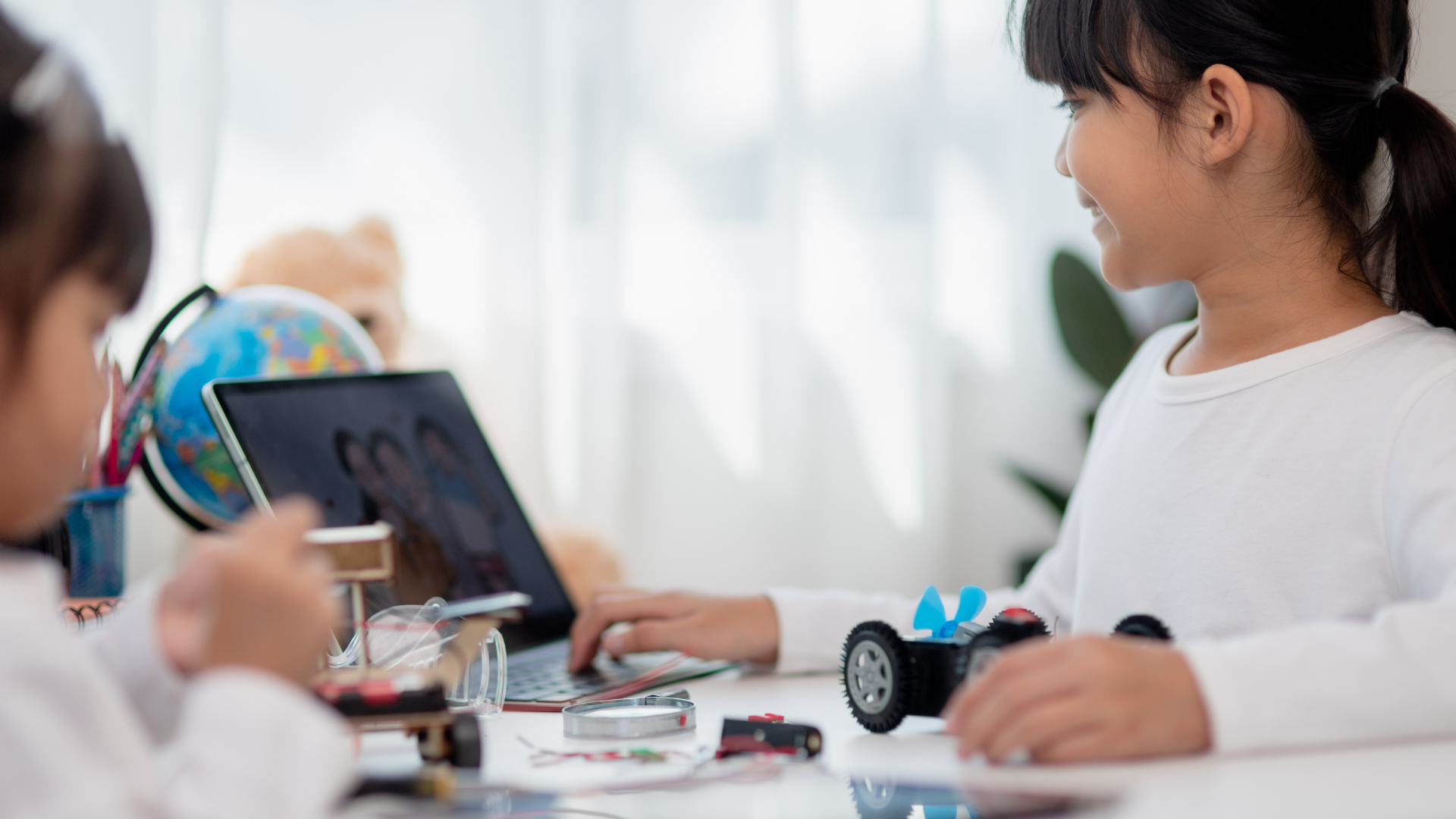
These sessions link STEM skills through practical examples, such as storing a robot's speed in a variable for repeated loops. Parents and educators find free educational coding lessons in these kits for kids aged 8 and up.
Application in Robot Programming
In robot programming, variables apply to screen-free coding and educational coding, teaching young learners programming languages like JavaScript alongside basics. Coders use variables to track a robot's position in block-based coding or text-based scripts.
For young learners, screen-free options like coding cards with programmable robots introduce variables simply. This evolves to app-enabled coding on devices, blending hands-on play with digital tools in STEM education.
Meta Robotics' beginner courses show variables in action with JavaScript for web-controlled bots or remote control setups. Kids practice storing data like battery levels or obstacle counts in real-time programming learning.
These applications foster critical thinking in robotics kits, from easy drag-and-drop interfaces to python scripts. Educational coding builds confidence for beginner to advanced levels in computer science.
Hands-on Implementation
Hands-on implementation uses starter kits with Bluetooth and rechargeable features for early STEM, providing teaching resources for practical variable use. Kids connect a coding robot toy via Bluetooth to an edu app for quick setup.
Begin with pre-built robots like Sphero Bolt or Lego-compatible kits. Assign a variable to store wheel speed, then test with
- Drag-and-drop blocks for screen-free starts,
- Bluetooth commands for movement,
- Rechargeable sessions of looping actions.
Meta Robotics' kits for kids include tutorials and lesson plans for variables in robot building kits. Young users experiment with sensors, updating variables based on light or distance inputs during interactive play.
This coding robot kit approach suits DIY projects or ready-to-use activity sets. Free coding lessons guide from basics of coding to advanced python, enhancing stem teaching for kids and teens.
Loops — Automating Repetitive Tasks
Loops automate repetitive tasks in programming learning, guided by tutorials and edu apps on devices like Sphero Bolt, from beginner to advanced levels.
Kids start with simple block-based coding in apps to make the Sphero Bolt roll in circles. This hands-on coding robot teaches repetition without writing lines of code repeatedly. Tutorials build confidence as young learners see their commands repeat on the programmable robot.
Meta Robotics' progression in Singapore classes moves from screen-free coding cards to app-enabled coding. Students advance to text-based programming with Python on Sphero Bolt, automating paths like figure-eights. These STEM learning sessions foster critical thinking through real robot responses.
From beginner drag-and-drop blocks to advanced loops with conditions, coding robots for kids like Sphero turn abstract ideas into motion. Edu apps provide structured tutorials, while robotics kits encourage experimentation. This path helps kids aged 8 and up master loops in a fun, interactive way.
The Robot Assembly Line Analogy
Think of loops like a robot assembly line: ready-to-use, beginner-friendly setups with free coding turn kids into coders using Raspberry Pi.
Just as an assembly line repeats screwing bolts on every car, a loop in code repeats actions on a coding robot. Beginners use free lessons with Raspberry Pi kits to program lights flashing or wheels turning multiple times. This STEM education approach makes programming feel like play.
Meta Robotics' tools offer pre-built Raspberry Pi setups with screen-free coding cards for starters. Kids command a robot to pick up blocks in a loop, mimicking factory efficiency. Free coding resources ensure easy access without complex setups.
As coders grow, they add sensors to the line, looping until a condition stops it. This hands-on analogy with Raspberry Pi builds computational thinking. Ready-to-use kits from Meta Robotics make every class a step toward advanced robotics.
Combining Loops and Variables
Combining loops and variables enables expandable projects through hands-on play, text-based or easy drag-and-drop interfaces with structured lesson plans.
A variable might store a number of spins, looped to make a programmable robot dance variably. In Meta Robotics' lesson plans, kids use drag-and-drop on Sphero Bolt for beginners, then switch to Python. This creates custom robot paths that adapt based on inputs.
Advanced users with Raspberry Pi combine loops and variables for sensor-driven actions, like repeating until a light detects darkness. Expandable robot kits support this progression from block-based to text-based coding. Hands-on play keeps engagement high across kids and teens.
Lesson plans guide from basics, like looping a variable speed forward, to complex patterns with Arduino integration. This builds computer science skills through real feedback from the robot. Meta Robotics ensures smooth transitions for deeper STEM teaching.
Benefits of Blending Play and Programming
Blending play and programming with pre-built kits, python programming, and Arduino fosters computational thinking in a fun, effective way for kids. These tools turn abstract code into real-world actions through coding robots and programmable robots. Kids aged 8 and up engage deeply without frustration.
Coding robot kits like Sphero or Botley combine hands-on play with coding basics. Children snap together blocks or use screen-free coding cards to command robots. This approach builds confidence in learning to code early.
Meta Robotics promotes this method in their programmes, using robotics kits for STEM learning. Free lessons introduce python programming and Arduino on hands-on coding robots. Young learners explore computational thinking through interactive challenges.
From block-based coding to text-based options, these coding toys spark interest in computer science. Expandable designs allow progression from beginner to advanced. Families enjoy DIY robot building kits that encourage family bonding.
Hands-on Learning
Hands-on learning shines with free lessons that make robotics engaging and accessible. Kids manipulate coding robots for kids to see code in action, like directing a Sphero Bolt through mazes. This tactile method beats screen-only tutorials.
Meta Robotics' hands-on coding robot sessions use pre-built kits and sensors for immediate fun. Children assemble robot building kits with building blocks similar to Lego. They learn basics of coding through trial and error.
Screen-free learning options like coding cards pair with programmable robot toys. Free coding resources include lesson plans for early STEM. These tools make abstract concepts concrete for young learners.
Rechargeable, Bluetooth-enabled bots offer flexibility in robotics kit activities. Parents guide kids and teens in activity sets that grow with skill levels. This builds a strong foundation in coding and robotics.
Problem-Solving Skills
Coding robots sharpen problem-solving skills central to STEM development. Children debug code when a robot toy for kids veers off course, teaching persistence. Meta Robotics' programmes emphasize this through structured challenges.
In STEM learning sessions, kids use coding robot kits to navigate obstacles. They apply critical thinking with sensors and remote control features. This mirrors real programming workflows.
From screenless coding to app-enabled options, tools like little robot sets promote logical steps. Programmes integrate computational thinking with hands-on play. Kids break down problems into simple commands.
Experts recommend starting with beginner-friendly kits for stem skills. Arduino and Raspberry Pi expansions add depth for advanced problem-solving. These experiences prepare children for computer science careers.
Creativity and Innovation
Sparking creativity and innovation, these tools help kids learn through inventive play. A coding robot toy becomes a dancing companion or explorer with custom code. Meta Robotics' classes encourage unique robot designs.
Robot toys with easy drag-and-drop interfaces let imaginations run free. Children mix programming languages like JavaScript or Python for original projects. This fosters innovation beyond templates.
In coding learning environments, interactive robots respond to creative inputs. Kids invent games using educational coding kits and tutorials. Classes build STEM teaching through open-ended tasks.
Expandable kits for kids support DIY modifications with sensors. From starter sets to advanced builds, children create learning toys that evolve. This playful method nurtures future inventors.
Revolutionizing Education with Coding Robots
Coding robots are revolutionizing education by making abstract concepts physical and fun. Students turn lines of code into real-world movements, bridging the gap between screens and hands-on learning. This approach sparks interest in STEM education from an early age.
In Singapore, initiatives like Meta Robotics lead this shift. Schools use coding robots for kids to teach programming basics without heavy screen time. Kids program robots to navigate mazes, fostering critical thinking through trial and error.
These programmable robots support screen-free coding cards and app-enabled options. Beginners start with block-based coding, while advanced users explore Python. Tools like Sphero or Botley make lessons engaging for kids aged 5 to 12.
Educators pair robot kits with lesson plans for hands-on coding. Activities build computational thinking and teamwork. This method prepares young learners for computer science careers in a playful way.
Educational Impact on Kids
The educational impact of robots on kids boosts engagement and retention in learning. Coding robots turn abstract concepts into tangible actions, making lessons stick through play. Kids grasp programming basics faster when they see their code move a robot.
With tools like Sphero or Botley, children use screen-free coding cards or block-based coding to direct robots. This hands-on coding robot approach builds STEM skills without screens, ideal for young learners. Parents notice improved focus during these interactive sessions.
Meta Robotics offers kits for kids that blend coding and robotics seamlessly. Their programmable robot sets include sensors and building blocks, teaching critical thinking through real-world challenges. Kids aged 8 and up program paths or avoid obstacles, fostering computational thinking.
Experts recommend starting with beginner-friendly robot kits like LEGO robotics or Sphero Bolt for screen-free learning. These tools provide free lessons and tutorials, helping kids transition to text-based languages like Python later. The result is a fun path to computer science mastery.
Practical Activities for Home or Classroom
Practical activities for home or classroom let kids programme robots effortlessly. These hands-on coding robot exercises turn abstract code into real movements. Parents and teachers can use simple setups to build STEM skills.
Start with screen-free coding cards from kits like Botley or Sphero. Kids arrange cards to guide the robot through mazes they build with household items. This coding robot for kids approach teaches sequences without screens.
For classrooms, try group challenges with programmable robot kits. Students programme robots to navigate obstacle courses, fostering teamwork and critical thinking. Meta Robotics' learning resources offer free lesson plans for these activities.
- Build a maze and use coding cards to direct the robot to the goal.
- Programme a dance routine with block-based coding on app-enabled robots.
- Create treasure hunts where robots follow sensor inputs to find hidden objects.
- Design relay races with multiple robot toys programmed in sequence.
Beginner Mazes with Screen-Free Coding
Beginner mazes introduce young learners to basics of coding using screen-free tools. Kids aged 5 and up place coding cards to command robots like Botley around DIY paths made from tape or blocks. This builds computational thinking through trial and error.
Meta Robotics provides free coding activity sets with pre-built mazes and expandable challenges. Children adjust commands when the robot hits walls, learning cause and effect. It's a perfect robot toy for kids starter activity.
Extend it by adding sensors for wall detection. Kids experiment with forward, turn, and loop commands. These hands-on play sessions make programming fun and accessible.
Block-Based Coding Challenges
Block-based coding activities suit kids ready for digital interfaces. Use Sphero BOLT or similar coding robot kit with drag-and-drop apps to programme obstacle courses. Robots roll, spin, and light up based on code blocks.
In classrooms, assign themes like "robot rescue missions." Students connect motion blocks to sensors for dynamic paths. Meta Robotics' tutorial resources guide from beginner to advanced levels.
At home, parents set up living room tracks with toys as barriers. Kids debug code when paths fail, sharpening problem-solving. This STEM learning method bridges to text-based languages later.
Group Robotics Projects for Critical Thinking
Group projects with robotics kits encourage collaboration and critical thinking. Teams programme multiple robots to work together, like forming a chain to move objects. Use LEGO-compatible kits for custom builds.
Teachers draw from Meta Robotics' lesson plans for structured play. Kids divide tasks, such as one coding navigation and another handling sensors. It teaches real-world coding and robotics teamwork.
For home, siblings create story-based missions, like robots delivering messages. Add Bluetooth remote control for tweaks. These educational coding experiences grow with the child's skills.
Preparing Kids for the Future
Preparing kids for the future starts with learning to code via robotics. Coding robots bridge the gap between abstract concepts and real-world actions. This hands-on approach helps young learners grasp basics of coding early on.
STEM skills like computational thinking and problem-solving become second nature through play. Kids aged 8 and up can use a coding robot for kids to program simple movements. Tools like Sphero or Botley make screen-free coding engaging and fun.
Meta Robotics emphasizes robotics kits that grow with the child, from beginner to advanced levels. Parents can start with a robot building kit featuring sensors and building blocks. This builds confidence in computer science fundamentals without overwhelming screens.
Experts recommend combining coding cards with programmable robots for a screenless experience. Kids learn to sequence commands, much like real programming languages. Over time, they transition to block-based coding or even Python, ready for future tech careers.
Getting Started with Coding Robots in Singapore
Getting started with coding robots for kids in Singapore is easy with Meta Robotics' robotics classes and workshops. These programs offer hands-on learning that turns abstract code into real movements. Kids quickly grasp the basics of coding through fun activities.
Begin with a beginner-friendly robot kit like Sphero or Botley. These screen-free coding cards and programmable robots let young learners experiment without screens. Meta Robotics provides starter sessions to build confidence in programming concepts.
Enroll in their robotics workshops tailored for kids aged 5 and up. Sessions cover block-based coding, sensors, and simple builds with LEGO-like blocks. Parents see children develop critical thinking and STEM skills right away.
- Choose a class level from beginner to advanced.
- Practice with coding robot toys like Sphero Bolt for app-enabled coding.
- Extend learning at home with expandable kits and free lessons.
Meta Robotics' offerings include STEM education resources such as lesson plans and tutorials. Kids learn to programme robots using drag-and-drop interfaces or even Python basics. This structured path makes coding accessible and exciting in Singapore.
Frequently Asked Questions
How do coding robots turn abstract code into physical actions?
Coding robots interpret abstract code—high-level instructions written in languages like Python or block-based programming—through an onboard microcontroller or processor. This hardware translates the code into low-level signals that control motors, sensors, and actuators, resulting in physical movements like rolling forward or picking up objects. In Meta Robotics' coding classes for kids in Singapore, children learn this process hands-on, making coding fun and tangible.
What is the step-by-step process of how coding robots turn abstract code into physical actions?
1. Code is written and uploaded to the robot's brain (microcontroller). 2. The interpreter or compiler converts abstract code into machine-readable instructions. 3. The processor executes these, reading sensor data if needed. 4. Output signals activate motors/servos for physical actions. Meta Robotics classes in Singapore guide kids through this, using robots like LEGO Mindstorms to demystify the transformation.
Why is understanding how coding robots turn abstract code into physical actions important for kids?
It bridges the gap between digital logic and real-world application, fostering computational thinking, problem-solving, and engineering skills. In Singapore's Meta Robotics coding classes, kids see their abstract ideas become physical reality, boosting confidence and STEM interest from a young age.
What hardware components are key in how coding robots turn abstract code into physical actions?
Essential parts include the microcontroller (e.g., Arduino or Raspberry Pi), motors for movement, sensors for feedback, and actuators for actions like gripping. Meta Robotics courses in Singapore teach kids how these components work together to execute abstract code physically.
Can beginners learn how coding robots turn abstract code into physical actions?
Absolutely! Meta Robotics' kid-friendly coding classes in Singapore start with visual block coding (like Scratch), progressing to text-based code, showing step-by-step how abstract instructions drive robot actions—no prior experience needed.
How do coding robots in Meta Robotics classes demonstrate turning abstract code into physical actions?
In these Singapore-based courses, kids program robots to navigate mazes or sort objects: they write code like "move forward 50cm," which the robot translates into motor speeds and timings, visibly enacting the abstract commands in real-time challenges.