
How a Robot With Coding Builds Engineering Thinking in Children
Imagine watching your child debug a robot's code to successfully navigate obstacles in kids robotics—it's in that moment that engineering thinking truly clicks into place. Robotics combined with coding ignites logical thinking, creativity, and resilience in young learners. From robot building that fosters teamwork collaboration to tackling real-world engineering challenges, it effectively prepares them for future careers in STEM fields. Additionally, we offer practical tips for parents in Singapore on getting started with Meta Robotics classes, the ideal ages to begin, and the top programs available. Are you ready to enhance their skills through robotics?
Key Takeaways:
- Robotics for kids coding introduces kids to coding basics, sparking critical thinking and troubleshooting skills essential for engineering skills.
- Hands-on learning robot building fosters creative thinking, persistence, and real-world problem solving, mimicking engineering processes.
- Through teamwork skills and computational thinking challenges, children develop resilience and STEM skills-ready engineering mindsets early on.
Introduces Children to Coding and Programming
Hey parents, getting your young learners into robotics for kids starts with fun block-based coding in Scratch programming, easing them into coding basics and programming capability without overwhelm.
In introductory robotics classes, kids drag and drop colorful blocks to command simple robots. This hands-on learning approach builds computational thinking by teaching sequences and loops in a visual way. Platforms like Codingal make stem education accessible through guided sessions.
As children progress, they transition to Python coding for more complex programming robots. Writing scripts to control a Line-Following Robot sharpens logical thinking and problem-solving skills. They learn to predict outcomes and adjust code step by step.
These robotics classes foster troubleshooting skills through debugging code, turning mistakes into learning moments. Kids gain confidence in robotics projects, preparing them for future challenges in engineering skills and creative thinking.
Encourages Logical Thinking and Troubleshooting
Ever watched your kid scratch their head over why their robot prototype isn't moving? That's logical thinking and troubleshooting skills kicking in as they debug code in robotics projects. Kids learn to break down problems into smaller steps, much like real engineers do in STEM education.
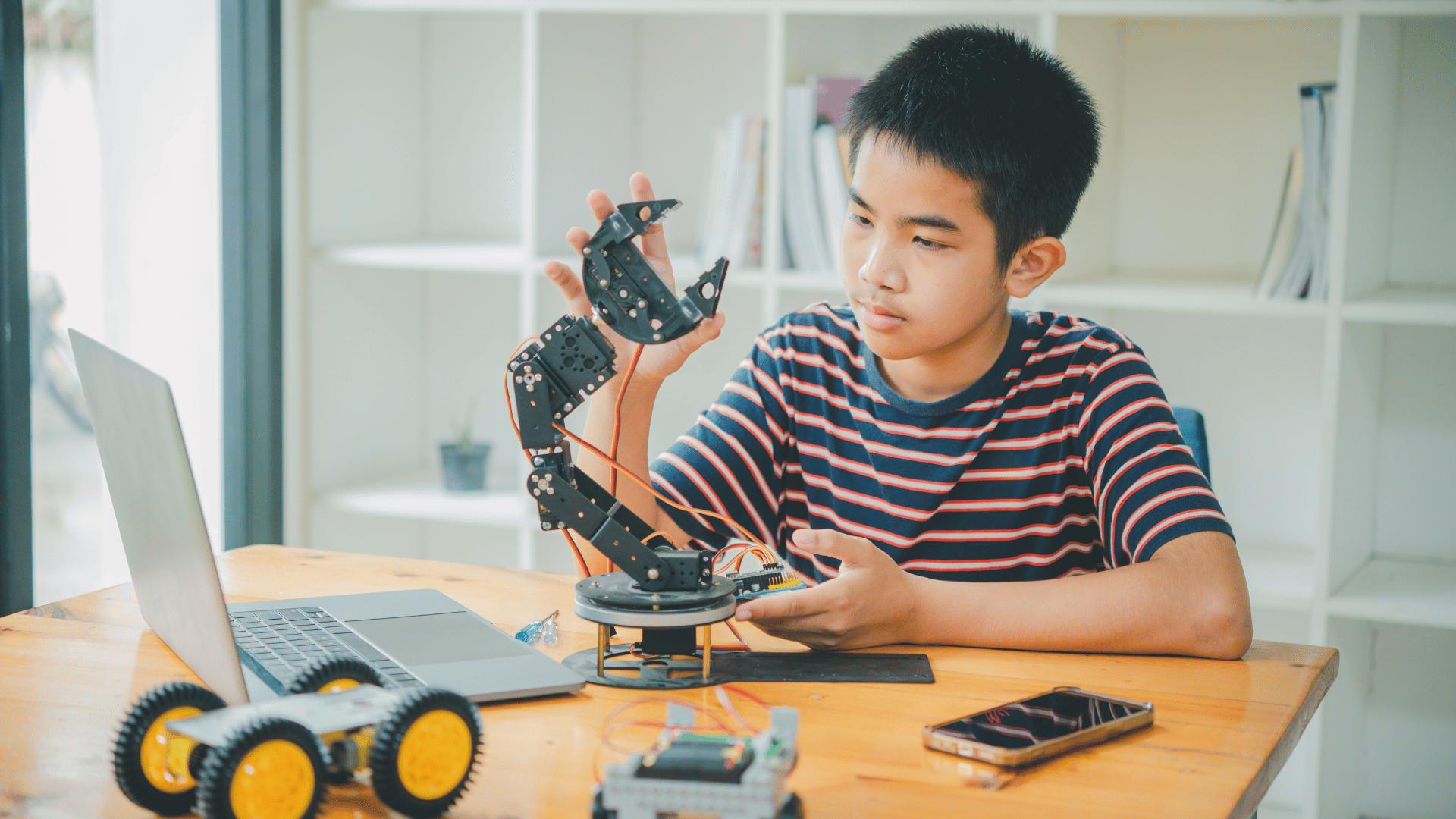
Through block-based coding or simple Scratch programming, young learners spot errors in their sequences. They experiment with changes, such as adjusting motor speeds for a line-following robot, building computational thinking. This hands-on process turns confusion into confidence.
Overcoming fear of failure becomes natural when a robot car finally navigates after several tries. Parents notice kids persisting through bugs, fostering problem-solving skills essential for future careers. Experts recommend starting with robotics kits to make debugging code fun and low-pressure.
In robotics classes or robotics camps, children tackle real challenges like wiring sensors motors for an Obstacle-Avoiding Bot. They question, "Why isn't the ultrasonic sensor detecting walls?" and iterate solutions. This mirrors design thinking, preparing them for engineering skills beyond playtime.
Provides Hands-On Learning Experience
Nothing beats hands-on learning like using robotics kits to build robot a vibrobot from disposable cups, plastic utensils, rubber washer, AA Battery Holder, motor, AA batteries, mounting tape, and hot glue gun. Kids start by gathering parts and sketching a simple design concept for their vibrating robot. This process sparks creative thinking right away.
Next, they attach motor to the cup's base using mounting tape, then install batteries into the AA battery holder. Connect cables carefully from the battery holder to the motor terminals. These steps teach engineering skills through piecing together components.
Secure utensils like spoons or forks around the motor shaft to create imbalance for vibration, using a hot glue gun for stability. Test the robot prototype by powering it on and watch it buzz across the table as a vibrating robot. This links to science concepts such as friction and motion.
Building a robot introduces math concepts like balance and symmetry, as kids adjust utensil positions for optimal wobble. Troubleshooting if it tips over builds problem-solving skills. Such robotics projects make STEM education tangible for young learners.
Fosters Creativity and Imagination
Robotics sparks creative thinking as kids dream up robot design with a clear robot purpose, adding personal touches inspired by C3PO or R2D2 from Star Wars. Children start with a simple idea, like a Dancing Robot or an obstacle-avoiding bot. This process encourages them to blend imagination with practical design thinking.
Through hands-on learning, kids engage in robot building by gather parts such as motors, infrared sensors, and everyday items like disposable cups or plastic utensils. They piecing together unique robotics projects, deciding how to attach motor or install batteries with mounting tape and a hot glue gun. This experimentation fosters imagination as they create prototypes like a vibrobot from a rubber washer and AA battery holder.
Design thinking shines when children define a robot purpose, sketch a design concept, and add personal touches, such as ultrasonic sensors for a line-following robot. They connect cables, secure utensils, and test their vibrating robot, iterating based on what works. These steps build creative thinking alongside problem-solving skills.
In STEM education, this approach turns abstract ideas into tangible robots, boosting engineering skills. Kids learn to overcome fear of failure by tweaking their robot prototype. Such activities prepare young learners for future careers in robotics.
Builds Persistence and Resilience
Building a robot teaches persistence when things go wrong, turning fear of failure into self-confidence through troubleshooting skills. Kids in robotics classes often face bugs in their block-based coding or parts that do not fit. These moments push them to keep trying until the robot moves as planned.
Consider a young learner building a line-following robot that veers off track during testing. Instead of quitting, the child debugs the code, adjusts sensors, and tests again. This hands-on learning builds resilience by showing that failure is part of robot building.
Stories from robotics camps highlight kids who spend hours on a vibrating robot made from disposable cups, plastic utensils, a rubber washer, motor, and AA batteries. One child glued the motor wrong at first, but after fixing it with mounting tape and hot glue, the robot buzzed to life. Such experiences foster overcoming fear and link to leadership skills as kids guide peers through fixes.
Through repeated trials in robotics projects, children develop grit that translates to teamwork collaboration and future careers in STEM. Leaders emerge when one kid shares debugging tips, boosting group problem-solving skills. This resilience turns robot prototypes into sources of pride and confidence.
Offers Real-World robot careers Problem Solving
Kids tackle real-world engineering skills problem solving by programming a Line-Following Robot or Obstacle-Avoiding Bot using infrared sensors, ultrasonic sensors, and light sensors, blending science concepts and math concepts.
These robotics projects mimic practical applications like automation navigation in factories. Children code the robot to follow a taped line on the floor, adjusting speed based on sensor feedback. This builds engineering skills through trial and error.
Programming an obstacle-avoiding bot teaches navigation like self-driving cars. Kids use ultrasonic sensors to detect walls and reroute the path. Such hands-on learning fosters critical thinking and troubleshooting skills.
Through block-based coding or simple scripts, young learners apply computational thinking to STEM challenges. They debug code when the robot veers off course, gaining problem-solving skills. These activities prepare them for future careers in robotics.
Promotes Teamwork and Collaboration
In robotics camps, teamwork collaboration shines as kids team up, building collaboration skills and teamwork skills together. Children divide tasks like coding, assembling parts, and testing robots. This hands-on approach mirrors real-world engineering teams.
Programs like those from Engineering For Kids emphasize group robotics projects. Kids work in small teams to design a line-following robot or an obstacle-avoiding bot. They learn to share ideas and resolve conflicts during robot building.
During these sessions, young learners practice leadership skills by guiding peers on block-based coding or debugging code. One child might handle sensors and motors while another focuses on the robot's purpose. This builds teamwork skills essential for STEM education.
Experts recommend such robotics classes to foster self-confidence and overcoming fear of failure. Teams celebrate successes, like a dancing robot that moves perfectly, reinforcing collaboration skills. These experiences prepare kids for future careers in robotics.
Develops Computational Thinking for Engineering Skills and robotics in stem
Computational thinking for engineering grows through STEM skills on Raspberry Pi or Raspberry Pi Pico with MicroPython. Children learn to break down complex problems into manageable steps using robotics for kids. This approach builds a foundation in computational thinking essential for engineering tasks.
Hands-on learning with robotics kits teaches decomposition, pattern recognition, and abstraction. Kids program a Line-Following Robot to follow paths, applying logic to real-world scenarios. These activities sharpen problem-solving skills in STEM education.
Programming robots introduces block-based coding like Scratch before advancing to Python coding. Young learners debug code and troubleshoot errors, fostering logical thinking. Robotics projects encourage creative thinking in robot design.
Experiencing artificial intelligence through simple AI tasks, such as obstacle-avoiding bots with ultrasonic sensors, connects coding to engineering. Children grasp automation navigation like in self-driving cars. This prepares them for future careers in robotics in STEM.
How Can Parents Get Their Kids Started with Robotics?
Parents in Singapore, ready to kickstart kids robotics? Enroll in Meta Robotics, robotics classes and programs for hands-on fun! These sessions introduce block-based coding and robot building right away. Kids gain problem-solving skills through simple projects like a vibrobot from disposable cups and motors.
Start with robotics kits at home to spark interest. Use a plastic utensil, rubber washer, AA battery holder, motor, and AA batteries with mounting tape or hot glue gun. Attach the motor, install batteries, connect cables, and secure utensils for a vibrating robot that teaches basic engineering.
Move to local robotics classes for guided hands-on learning. Parents can observe teamwork collaboration as children debug code and troubleshoot robots. This builds computational thinking and prepares for future STEM careers.
Encourage creative thinking by letting kids add personal touches to their robot prototype. Programs focus on design thinking, from gathering parts to piecing together a robot with purpose. Over time, this overcomes fear of failure and boosts self-confidence.
What Age is Best to Start Robotics for Engineering Skills?
The best age? Young learners from 7 upwards, building engineering skills for future careers and robot careers. At this stage, children grasp coding basics through Scratch programming and simple robotics projects. They explore science concepts like sensors and motors without frustration.
Starting early fosters logical thinking and troubleshooting skills. Kids design a line-following robot or obstacle-avoiding bot, learning debugging code naturally. This hands-on approach strengthens math concepts and critical thinking for STEM education.
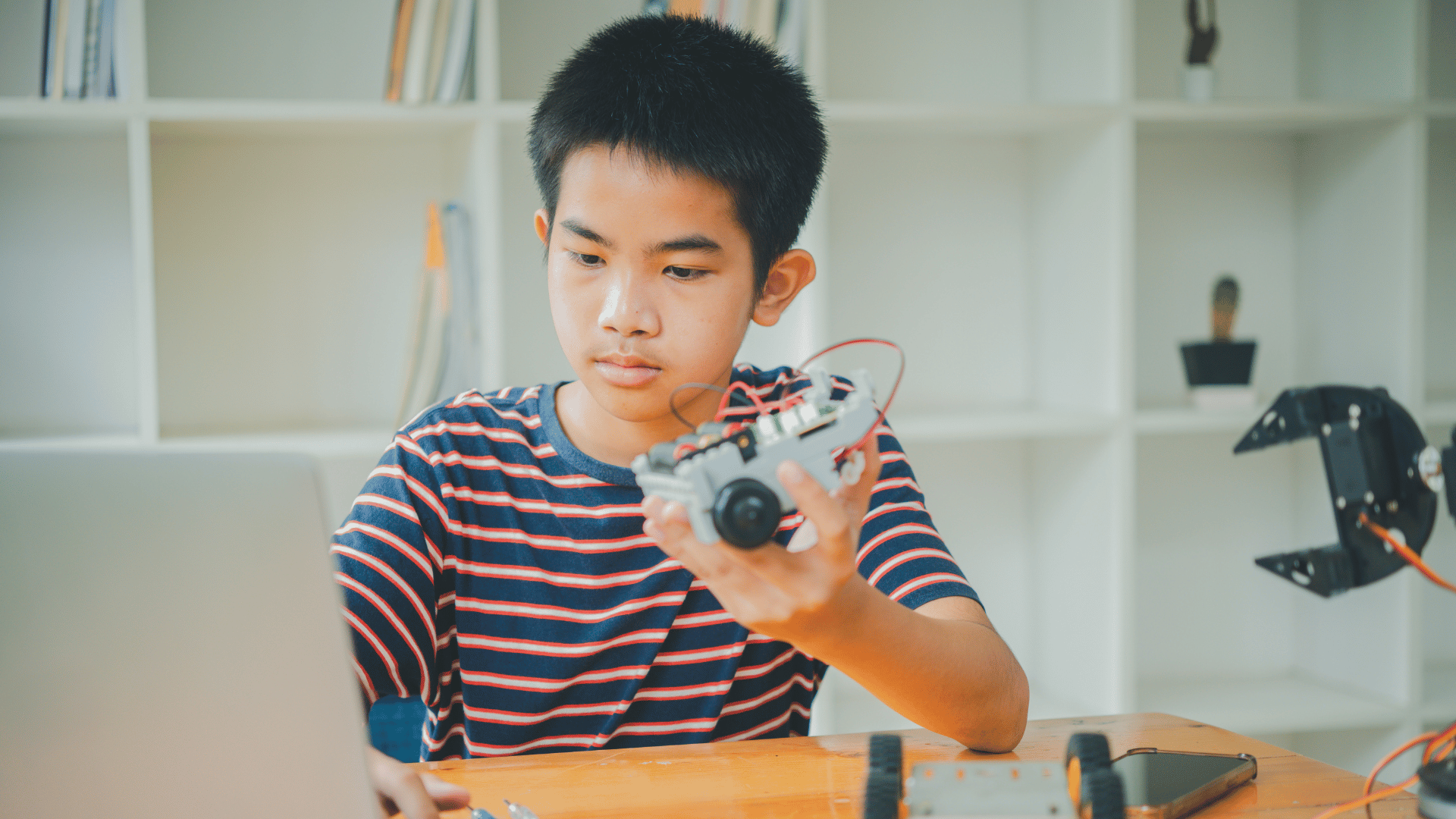
For ages 7 to 10, focus on robotics kits with block-based coding. Older kids, 11 and up, tackle Python coding for a robot car or walking robot. Research suggests early exposure enhances problem-solving skills and collaboration skills long-term.
Parents guide by discussing robot design and purpose. Programs build leadership skills through teamwork on dancing robots or smart light robots. This path nurtures creative thinking and prepares for robotics in STEM.
What Robotics Programs Are Available in Singapore?
Singapore offers top robotics programs like Codingal, Engineering For Kids classes, and camps with Big Trak-inspired fun. These include Star Wars droid-building workshops using LEGO robotics for programming robots. Kids create R2D2 style bots with infrared sensors and ultrasonic sensors.
Meta Robotics classes teach block-based coding and robot building for young learners. Sessions cover light sensors, motors, and automation navigation in obstacle-avoiding bots. Camps emphasize teamwork skills on self-driving cars projects.
- Codingal offers online and in-person Scratch programming with vibrobot challenges.
- Engineering For Kids runs robotics camps featuring line-following robots and design thinking.
- Local centers host LEGO robotics programs inspired by Star Wars, building walking robots.
These options develop STEM skills like computational thinking and artificial intelligence basics. Parents choose based on age, from coding basics to advanced robot prototypes. Programs boost self-confidence through overcoming challenges in robot design.
Frequently Asked Questions
Got questions about robotics with coding building engineering thinking? We've got answers for STEM careers prep! These FAQs cover hands-on learning, problem-solving skills, and how robotics for kids sparks critical thinking.
From block-based coding to robot building, we'll address common concerns. Parents often wonder about prior experience or real-world benefits. Dive in for practical insights on STEM education.
Discover how robotics projects teach computational thinking and teamwork skills. These answers draw from real examples like robot cars and obstacle-avoiding bots. Get ready to see why robotics classes boost young learners.
1. How does robotics with coding build engineering thinking?
Robotics with coding builds engineering thinking by boosting critical thinking through real robot projects like Science Technology Engineering Math. Kids tackle hands-on learning by designing and programming robots. This process mirrors real engineering workflows.
In robotics kits, children plan a robot's purpose, gather parts, and piece together components. They experiment with sensors motors and code to make it move. Such activities foster computational thinking and logical thinking through Experience AI.
Through trial and error, kids refine their designs, much like engineers do. Building a vibrobot from disposable cups, plastic utensils, a rubber washer, AA Battery Holder, motor, and AA batteries teaches resourcefulness. Problem-solving skills grow as they attach motor, install batteries, connect cables, and secure utensils with mounting tape or hot glue gun.
Experts recommend these steps for developing creative thinking and science concepts. Robotics encourages overcoming fear of failure, building self-confidence. Ultimately, it prepares kids for future careers in engineering.
2. What specific engineering skills do kids gain?
Kids gain engineering skills like design thinking and troubleshooting skills from debugging code. In projects like a robot car, they sketch ideas, select parts, and test prototypes. This builds a strong foundation in robot design.
Programming robots teaches logical thinking and math concepts through code sequences. Kids learn to integrate infrared sensors or ultrasonic sensors for navigation. Hands-on tweaks enhance programming capability.
Other skills include teamwork collaboration in robotics camps and leadership skills when leading builds. Designing a walking robot hones precision in piecing together parts with personal touches. Collaboration skills shine during group robot prototypes.
From Scratch programming to Python coding, kids grasp automation navigation. These experiences instill STEM skills essential for robot careers and robotics in STEM. Parents see growth in practical, real-world application.
3. Do kids need prior coding experience?
Nope! No prior coding experience needed, start with block-based coding and coding basics. Platforms like Scratch use drag-and-drop blocks to teach programming robots without typing code. Young learners jump right into fun projects.
Robotics kits guide beginners through simple steps, like building a line-following robot with light sensors. Kids focus on robot building first, then add code. This approach builds confidence gradually.
In robotics classes, instructors introduce concepts like sequences and loops visually. No frustration from syntax errors at the start. Soon, they transition to text-based coding with ease.
Experts recommend this path for all skill levels, emphasizing hands-on learning. It sparks interest in artificial intelligence and self-driving cars concepts early. Every child can succeed in kids robotics.
4. How does robotics improve problem-solving?
Robotics improves problem-solving via challenging robotics projects like Obstacle-Avoiding Bot. Kids identify issues, like a robot veering off course, and brainstorm fixes. This iterative process sharpens problem solving skills.
For a Dancing Robot, they program sequences with motors and sensors to sync movements. When it stumbles, debugging code teaches persistence. Troubleshooting skills become second nature.
Building a Smart Light Robot involves light sensors reacting to darkness. Failures prompt design concept tweaks and part adjustments. Kids learn to overcome obstacles methodically.
These projects promote teamwork skills as groups tackle complex builds. Research suggests such activities enhance creative thinking and logical thinking. Kids gain resilience for bigger challenges in STEM education.
5. Can robotics prepare kids for STEM careers?
Absolutely, robotics preps for STEM careers, like winners Jay, Preston, and Selin with her Aspiring Teen Award. Stories from Korsan, IC4U, and Women in Tech inspire young learners. Robotics builds skills for robot careers.
Selin from Istanbul, Turkey, succeeded through persistent robot projects, gaining self-confidence. Participants in competitions develop leadership skills and engineering skills. These experiences mirror professional environments.
Programming a self-driving cars prototype using Scratch and Python teaches automation and sensors motors integration. Kids explore artificial intelligence basics like Experience AI, vital for future jobs. Hands-on wins translate to real-world success.
Robotics camps like Engineering For Kids and Codingal foster teamwork collaboration and design thinking for industry needs. Experts recommend it for building a robot mindset early. Graduates stand out in STEM (Science Technology Engineering Math) education pathways.
Frequently Asked Questions
How does a Line-Following Robot with Python coding build engineering thinking in children?
A robot with coding like an Obstacle-Avoiding Bot or Dancing Robot builds engineering thinking in children by engaging them in hands-on projects where they design, code, build, and test robotic solutions using components like AA Battery Holder. Through trial-and-error in Meta Robotics coding classes in Singapore, kids learn to break down problems, iterate on designs, and apply systematic thinking—core elements of engineering—fostering creativity and resilience from an early age.
What age group benefits most from learning how a Smart Light Robot with coding builds engineering thinking in children?
Children aged 6-12 benefit most from how a robot with coding, such as C3PO or R2D2 inspired designs or classics like Big Trak from Star Wars, builds engineering thinking, as this stage aligns with their developing logical skills. Meta Robotics' coding classes in Singapore tailor courses to this group, using age-appropriate robots powered by Raspberry Pi or Raspberry Pi Pico to teach prototyping, debugging, and optimization, laying a strong foundation for future STEM careers.
Why is MicroPython coding with robots effective for building engineering thinking in children?
Coding with robots is effective because it combines programming logic with physical construction, mirroring real engineering processes. In Meta Robotics classes in Singapore, children program robots to perform tasks like navigation or automation, learning how a robot with coding builds engineering thinking through immediate feedback, failure analysis, and redesign cycles that enhance problem-solving abilities.
How does a robot with coding in classes like those from Korsan or IC4U promote critical skills for engineering thinking in children?
A robot with coding promotes critical skills like decomposition, pattern recognition, and abstraction—key to engineering thinking. Meta Robotics' Singapore courses for kids, inspired by innovators like Selin from Istanbul, Turkey, who earned the Aspiring Teen Award, Women in Tech pioneer Jay Preston, immerse students in coding robots for real-world challenges, teaching them to think like engineers by predicting outcomes, testing hypotheses, and refining solutions iteratively.
What are the long-term benefits of how a robot with coding builds engineering thinking in children?
The long-term benefits include enhanced innovation, adaptability, and career readiness in engineering fields. By experiencing how a robot with coding builds engineering thinking in children through Meta Robotics coding classes in Singapore, kids develop a mindset for tackling complex problems, boosting confidence and opening doors to robotics, AI, and beyond.
Where can children in Singapore enroll to learn how a robot with coding builds engineering thinking?
Children in Singapore can enroll in Meta Robotics' specialized coding classes, designed to show how a robot with coding builds engineering thinking. These courses offer structured, fun sessions with expert instructors, state-of-the-art robots, and a curriculum focused on practical engineering principles for kids.